Nyssaceae
Tupelo Family
Nyssaceae is a family of deciduous or evergreen trees and shrubs belonging to the order Cornales, a basal lineage within the Asterids clade. Following the APG IV system, the family includes about 5 genera (Nyssa, Davidia, Camptotheca, Diplopanax, Mastixia) and approximately 22 species. They exhibit a disjunct distribution, found in eastern North America, Central America, and East/Southeast Asia. Characteristics often include simple alternate leaves, small unisexual or bisexual flowers, inferior ovaries, and drupaceous fruits.
Overview
The Nyssaceae, or Tupelo family, comprises about 22 species of trees and shrubs grouped into 5 genera according to the Angiosperm Phylogeny Group (APG) system. This circumscription includes genera like Davidia (Dove Tree) and Camptotheca, which were sometimes placed in their own families (Davidiaceae, Camptothecaceae). The core genus Nyssa (Tupelos) is known for its valuable timber and often spectacular autumn foliage.
The family exhibits a classic disjunct distribution pattern, with species found in eastern North America, Central America, and eastern/southeastern Asia. This pattern suggests a formerly more widespread distribution across the Northern Hemisphere during warmer climatic periods (e.g., the Tertiary), followed by fragmentation. They typically inhabit moist forests, swamps, and bottomlands.
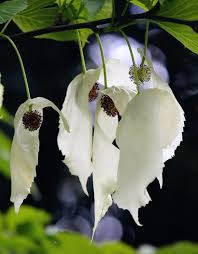
Several species have economic or horticultural importance. Nyssa species provide timber and are planted as ornamentals for fall color. Davidia involucrata (Dove Tree or Handkerchief Tree) is highly prized in horticulture for its large, white, pendant bracts surrounding the flower heads. Camptotheca acuminata (Happy Tree) is notable as the original source of camptothecin, an alkaloid with anti-cancer properties.
Quick Facts
- Scientific Name: Nyssaceae Juss. ex Dumort.
- Common Name: Tupelo family
- Number of Genera: Approximately 5 (Nyssa, Davidia, Camptotheca, Diplopanax, Mastixia)
- Number of Species: Approximately 22
- Distribution: Disjunct: E North America, C America, E & SE Asia.
- Evolutionary Group: Eudicots - Asterids - Cornales
Key Characteristics
Growth Form and Habit
Deciduous or evergreen trees or shrubs. Often found in moist habitats.
Leaves
Leaves are alternate (rarely opposite), simple, with margins usually entire or sometimes toothed. Stipules are typically absent or minute and falling early.
Inflorescence
Inflorescences are variable, often axillary: solitary flowers, few-flowered clusters (fascicles), short racemes, umbels, or dense heads (capitula), sometimes subtended by large showy bracts (Davidia).
Flowers
Flowers are small, actinomorphic (radially symmetrical), typically unisexual (plants dioecious or polygamo-dioecious), sometimes bisexual. Usually 4- or 5-merous (sometimes more). Key features include:
- Calyx: Sepals reduced to small teeth or lobes fused to the top of the ovary, or absent.
- Corolla: Petals typically 4-5 (up to 8), free, small, often greenish, yellowish, or white. Petals sometimes absent, especially in female flowers.
- Androecium: Stamens usually twice as many as petals (e.g., 8 or 10), sometimes more (up to 30), arranged in one or two whorls, arising from or around an epigynous nectar disc. Filaments distinct. (Male flowers have functional stamens; female flowers may have staminodes or lack them).
- Gynoecium: Ovary is inferior, composed of 1 (by abortion) or 2-10 fused carpels (syncarpous). Locules usually as many as carpels (or reduced to 1), each containing a single apical, pendulous ovule. Style(s) simple or divided, often persistent. (Female flowers have functional ovary; male flowers may have a pistillode or lack it).
Fruits and Seeds
The fruit is typically a drupe (a fleshy fruit with a hard stone containing the seed), often longitudinally ribbed or winged. The drupe is usually crowned by the persistent remnants of the calyx, style, and/or nectar disc. Seeds contain endosperm.
Chemical Characteristics
Often contain iridoids (common in Cornales and other Asterids). Camptotheca produces the important alkaloid camptothecin.
Field Identification
Identifying Nyssaceae involves recognizing their tree/shrub habit, simple alternate leaves, small unisexual (often) flowers with inferior ovaries, and drupaceous fruits, combined with their specific geographic distribution and habitat preferences (often moist areas).
Primary Identification Features
- Habit: Trees or shrubs.
- Leaves: Alternate, simple, entire or toothed, exstipulate (usually).
- Sexuality: Often dioecious or polygamo-dioecious (unisexual flowers dominant).
- Flowers: Small, actinomorphic, 4- or 5-merous (usually).
- Ovary: Inferior.
- Fruit: Drupe, often ribbed or winged, crowned by persistent floral parts.
- Distribution: Disjunct E North America / E Asia / C America.
Secondary Identification Features
- Petals: Small, free, sometimes absent.
- Stamens: Often twice the number of petals (e.g., 8 or 10).
- Habitat: Often moist woodlands, swamps, bottomlands.
- Showy Bracts: Present in Davidia inflorescences.
Seasonal Identification Tips
- Year-round: Tree/shrub habit, bark, and leaf arrangement are useful. Geographic location is a strong clue.
- Flowering Season: Spring or early summer. Flowers are generally small, except for the showy bracts of Davidia.
- Fruiting Season: Drupes mature in late summer or fall. The shape and any ribbing/winging of the drupe can be diagnostic. Autumn foliage color can be spectacular in Nyssa.
Common Confusion Points
- Cornaceae (Dogwood Family): Also in Cornales, often have opposite leaves (though some Cornus are alternate), flowers typically 4-merous with inferior ovary, fruit a drupe. Inflorescences often subtended by large petaloid bracts in some Cornus. Distinguishing features include leaf arrangement, venation patterns (often arcuate in Cornus), and subtle floral details.
- Hamamelidaceae (Witch Hazel Family): Trees/shrubs with alternate simple leaves, but flowers often have strap-like petals, superior or half-inferior ovary, and fruit a woody capsule. (Order Saxifragales).
- Ebenaceae (Ebony Family): Trees/shrubs with alternate simple entire leaves, but flowers usually unisexual with superior ovary, and fruit a berry. (Order Ericales).
- Aquifoliaceae (Holly Family): Trees/shrubs with alternate simple leaves (often spiny), but flowers small, usually 4-merous with superior ovary, and fruit a brightly colored drupe with multiple stones. (Order Aquifoliales).
Field Guide Quick Reference
Look For:
- Trees/shrubs (E N.Am / E Asia / C.Am)
- Alternate, simple leaves
- Often unisexual flowers
- Small petals (or absent)
- Inferior ovary
- Drupe fruit (often ribbed/winged)
Key Variations:
- Inflorescence type (clusters vs. heads)
- Presence of large bracts (Davidia)
- Leaf margin (entire vs. toothed)
- Fruit shape/winging
Notable Examples
Key genera in the Nyssaceae family (sensu APG IV) include:

Nyssa sylvatica
Black Tupelo, Black Gum, Sour Gum
A deciduous tree native to eastern North America, known for its glossy leaves that turn brilliant scarlet, orange, and yellow in autumn. Often found in moist woods and swamps. Produces small, dark blue drupes favored by birds.

Davidia involucrata
Dove Tree, Handkerchief Tree
A deciduous tree native to China. Highly prized ornamentally for its unique inflorescence: a dense head of small flowers subtended by two large, unequal, white bracts that flutter in the breeze, resembling doves or handkerchiefs.

Camptotheca acuminata
Happy Tree, Cancer Tree
A deciduous tree native to southern China and Tibet. Leaves are relatively large and ovate. Flowers are in small globose heads. Historically important as the source of camptothecin, an anti-cancer alkaloid.

Nyssa aquatica
Water Tupelo
A large deciduous tree native to swamps and floodplains of the southeastern United States. Characterized by a swollen base trunk adapted to waterlogged conditions. Produces larger drupes than N. sylvatica.
Phylogeny and Classification
Nyssaceae belongs to the order Cornales, which represents a relatively early diverging lineage within the Asterids clade of eudicots. It is distinct from the two major Asterid subclades, Lamiids and Campanulids.
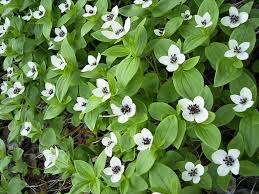
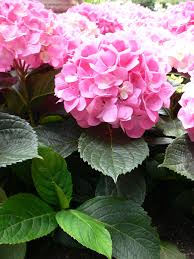
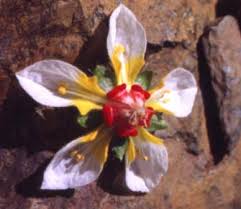
Within Cornales, Nyssaceae forms a well-supported clade that also includes the families Cornaceae (dogwoods), Hydrangeaceae (hydrangeas), Loasaceae (stickleafs), Grubbiaceae, Curtisiaceae, and Hydrostachyaceae. The exact relationships among these families are still being refined, but Nyssaceae appears closely related to Cornaceae and Hydrangeaceae. The inclusion of genera like Davidia and Camptotheca within Nyssaceae is based on strong molecular evidence uniting them with Nyssa and relatives.
Position in Plant Phylogeny
- Kingdom: Plantae
- Clade: Angiosperms (Flowering plants)
- Clade: Eudicots
- Clade: Asterids
- Order: Cornales
- Family: Nyssaceae
Evolutionary Significance
Nyssaceae is significant for understanding Asterid evolution:
- Basal Asterid Lineage: As part of Cornales, it helps illuminate the early evolution and ancestral traits of the vast Asterid clade before the major radiations of Lamiids and Campanulids.
- Biogeography: The classic East Asian - Eastern North American disjunct distribution pattern seen in Nyssa and related genera is important evidence for historical land connections or dispersal routes across the Northern Hemisphere (the Arcto-Tertiary Geoflora hypothesis).
- Evolution of Floral Structures: Shows variation in floral sexuality, petal presence, and inflorescence structure (including the unique bracts of Davidia) within a relatively small family.
- Source of Bioactive Compounds: The discovery of camptothecin in Camptotheca highlights the potential for finding medically important compounds in less-studied plant lineages.