Violaceae
Violet Family
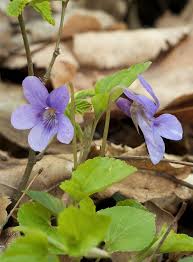
The Violaceae family is a diverse group including herbs, shrubs, lianas, and trees, most famously represented by the violets and pansies (genus Viola). They typically have simple leaves, often with stipules. Flowers are 5-merous and often bilaterally symmetrical (zygomorphic), frequently featuring a spur or pouch on the lowermost petal, especially in Viola. The fruit is commonly a capsule that splits open, sometimes explosively. The family has a cosmopolitan distribution.
Overview
Violaceae is a moderately large family with about 25 genera and 800-1000 species distributed worldwide, occurring in temperate, subtropical, and tropical regions across various habitats. The family exhibits considerable diversity in growth form, ranging from the familiar small herbaceous violets (Viola) of temperate woodlands and meadows to tropical trees and woody vines (e.g., Rinorea, Agatea).
The genus Viola dominates the family in terms of species number and recognition, including violets, pansies, and violas cultivated for their attractive flowers. Many wild violets are known for their spring blooms and some for producing cleistogamous flowers (small, closed, self-pollinating flowers) later in the season. Tropical members of the family often have less conspicuous, sometimes radially symmetrical flowers and can be significant components of rainforest understories.
Economically, the family is primarily important for horticulture (Viola cultivars). Some species have traditional medicinal uses, and research into the family's unique cyclotide compounds holds potential pharmacological interest. Ecologically, they provide food resources for insects (including fritillary butterfly larvae) and seeds are often dispersed by ants attracted to fleshy arils.
Quick Facts
- Scientific Name: Violaceae
- Common Name: Violet family
- Number of Genera: Approximately 25
- Number of Species: Approximately 800-1,000
- Distribution: Cosmopolitan, diverse in both temperate and tropical regions.
- Evolutionary Group: Eudicots - Rosids - Fabids - Order Malpighiales
Key Characteristics
Growth Form and Habit
Highly variable: includes annual and perennial herbs (often with rhizomes or stolons), subshrubs, shrubs, lianas (woody vines), and small to medium-sized trees.
Leaves
Leaves are usually alternate, sometimes opposite or forming a basal rosette. They are typically simple, with margins that can be entire, toothed (crenate or serrate), or occasionally lobed. Stipules are usually present and can range from small and inconspicuous to large and leaf-like (foliaceous), especially prominent in many Viola species.
Inflorescence
Flowers can be solitary (often axillary or on long stalks from a basal rosette in Viola) or arranged in various types of inflorescences, including cymes, racemes, or panicles, particularly in woody members.
Flowers
Flowers are usually bisexual, 5-merous, and show considerable variation in symmetry.
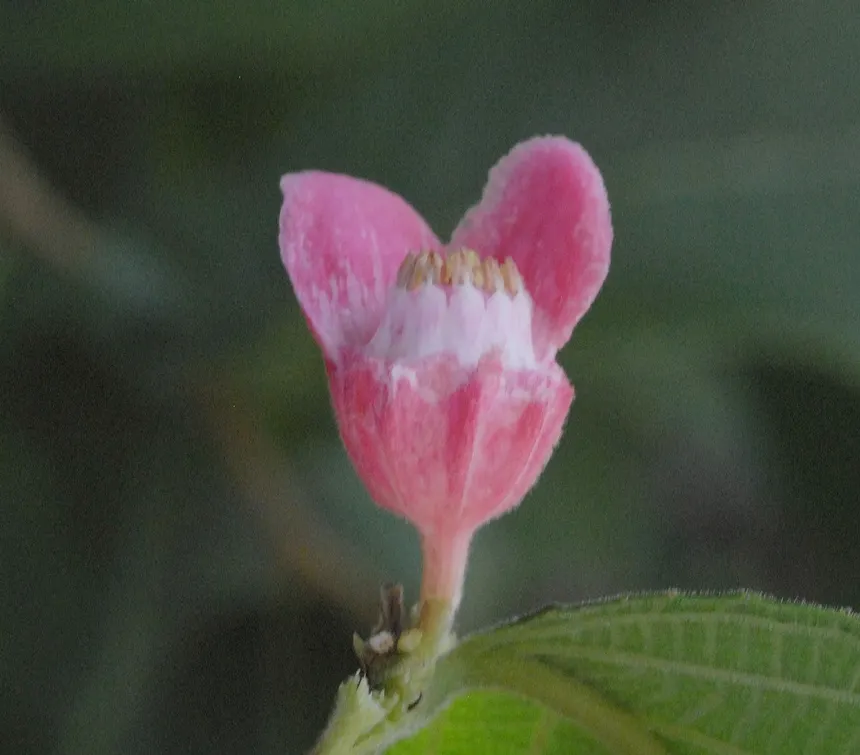
- Symmetry: Typically zygomorphic (bilaterally symmetrical), especially in Viola, but sometimes actinomorphic (radially symmetrical) or nearly so (e.g., Rinorea).
- Sepals: 5 sepals, usually free and persistent, sometimes with basal appendages (auricles).
- Petals: 5 petals, typically free and unequal in zygomorphic flowers. The lowermost (anterior) petal is often larger and characteristically spurred or saccate (pouch-like) at the base, housing nectar glands from the lower stamens. In actinomorphic flowers, petals are roughly equal.
- Androecium: Stamens 5, alternating with the petals. Filaments are usually short. Anthers often press closely together around the ovary (connivent) forming a cone-like structure. The connective tissue of the anthers may be expanded into an apical appendage. The two lower stamens in zygomorphic flowers often possess nectar-producing appendages that project into the petal spur.
- Gynoecium: Ovary is superior, typically composed of 3 (less commonly 2 or 5) fused carpels forming a single locule. Placentation is parietal (ovules attached to the inner ovary wall, usually along 3 lines). Ovules are few to numerous. There is a single style, which in Viola is often distinctively shaped (e.g., thickened, bent, hooked, or variously appendaged) with a small stigma.
Some Viola species also produce cleistogamous flowers: small, bud-like, non-opening flowers that self-pollinate and ensure seed production even under adverse conditions.
Fruits and Seeds
The most common fruit type is a loculicidal capsule, typically splitting into 3 valves (corresponding to the carpels). In many species, the drying valves contract and eject the seeds forcibly. Less commonly, the fruit can be a fleshy berry (e.g., some Rinorea) or rarely nut-like. Seeds are small, often rounded or ovoid, usually contain endosperm, and frequently possess an elaiosome (a fleshy, oil-rich aril) that attracts ants for dispersal (myrmecochory).
Chemical Characteristics
The family is known to produce saponins, alkaloids, and mucilage. Salicylic acid derivatives (like methyl salicylate) are found in some Viola species, contributing to their traditional medicinal uses. A distinctive feature is the presence of cyclotides – small, highly stable cyclic peptides with potential insecticidal and medicinal properties – which are particularly abundant and diverse in this family.
Field Identification
Identifying Violaceae often relies on floral characteristics, especially the spurred petal in zygomorphic flowers, leaf arrangement, and the presence of stipules.
Primary Identification Features
- Habit: Highly variable (herbs, shrubs, trees, lianas).
- Leaves: Usually alternate (or basal rosette), simple, typically with stipules.
- Flowers: 5 sepals, 5 petals. Often zygomorphic with the lowermost petal spurred or saccate (esp. Viola). Sometimes actinomorphic.
- Stamens: 5, often closely surrounding the ovary.
- Ovary: Superior, 1-locular with parietal placentation.
- Fruit: Typically a 3-valved capsule, sometimes a berry.
Secondary Identification Features
- Stipules: Can be small or large and leaf-like.
- Style Shape: Often distinctively modified in Viola.
- Cleistogamous Flowers: Presence of small, non-opening self-pollinating flowers in some Viola.
- Seed Arils: Presence of elaiosomes (ant-attracting appendages) on seeds.
Seasonal Identification Tips
- Spring (Temperate): Peak flowering time for many herbaceous violets (Viola).
- Summer/Fall: Capsules mature and dehisce. Cleistogamous flowers may be produced. Basal rosettes or vegetative growth persists. Tropical species may flower/fruit at different times.
- Winter: Perennial herbs often survive as rhizomes or dormant rosettes. Woody species identifiable by bark, buds, and branching pattern.
Common Confusion Points
Zygomorphic flowers of Viola can lead to confusion, while actinomorphic members resemble other families:
- Gesneriaceae (African Violet family): Despite the common name, African Violets (Saintpaulia, now Streptocarpus) are unrelated (Order Lamiales). They typically have opposite, often hairy leaves, different flower structure (often 2 stamens), and superior ovary but different placentation/fruit.
- Polygalaceae (Milkwort family): Flowers are zygomorphic and complex, but structure differs greatly (often only 3 petals visible, 2 petal-like sepals, unique stamen arrangement). Fruit usually a capsule or samara.
- Fabaceae (Pea family): Papilionaceous flowers are zygomorphic but have a distinct banner, wings, and keel structure (5 petals, 10 stamens often fused). Fruit is a legume.
- Families with actinomorphic flowers (for non-Viola genera): Depending on the genus, confusion could arise with families having simple leaves and 5-merous flowers (e.g., some Rosaceae, Linaceae, Celastraceae), but details of ovary position, placentation, stamen arrangement, stipules, and fruit type will differ.
For Viola, the spurred lower petal combined with 5 stamens connivent around the superior ovary is highly diagnostic. For other genera, the combination of stipulate simple leaves, 5-merous flowers, superior ovary with parietal placentation, and often capsular fruit is key.
Field Guide Quick Reference
Look For:
- Herb, shrub, tree, or liana
- Simple leaves, usually alternate or basal
- Stipules usually present
- 5 sepals, 5 petals
- Flower often zygomorphic with spurred lower petal (Viola)
- 5 stamens often clustered around ovary
- Superior ovary, parietal placentation
- Fruit often a 3-valved capsule
Key Variations:
- Flower symmetry (zygomorphic vs. actinomorphic)
- Habit (herbaceous vs. woody)
- Stipule size (small vs. large/leaf-like)
- Fruit type (capsule vs. berry)
- Presence of cleistogamous flowers
Notable Examples
The family is dominated by the large genus Viola, but includes tropical woody genera as well.

Viola spp.
Violets, Pansies, Violas
The largest genus (~500-600 species), mostly temperate herbs. Characterized by zygomorphic flowers with a spurred lower petal, often heart-shaped or kidney-shaped leaves in basal rosettes or on stems, and prominent stipules. Includes common wildflowers (e.g., Common Blue Violet, Sweet Violet) and widely cultivated ornamentals (pansies, violas).

Rinorea spp.
(Various common names)
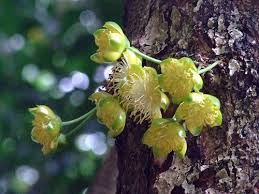
A large genus (~160-200 species) of tropical trees and shrubs found in rainforests worldwide. Flowers are typically small, whitish or yellowish, and often actinomorphic or only slightly zygomorphic, lacking the prominent spur of Viola. Fruits are often capsules or sometimes berries.

Hybanthus spp.
Green Violets / Spade Flowers
A genus of herbs and subshrubs found in tropical and temperate regions. Flowers are zygomorphic, often small and greenish or whitish, with the lower petal typically enlarged and saccate (pouch-like) or shortly spurred, but usually less elaborate than in Viola. Some species were formerly included here but are now placed elsewhere.
Phylogeny and Classification
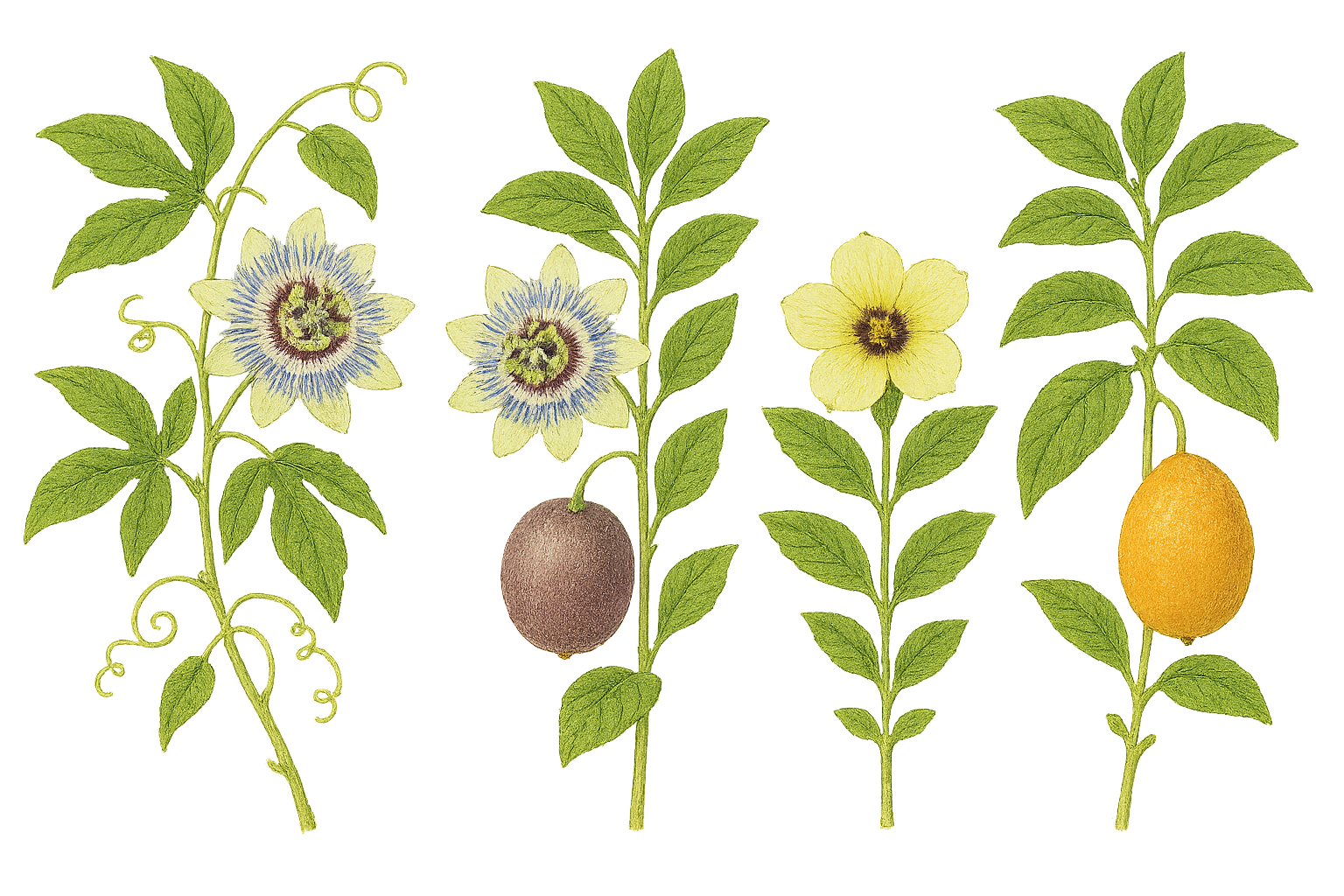
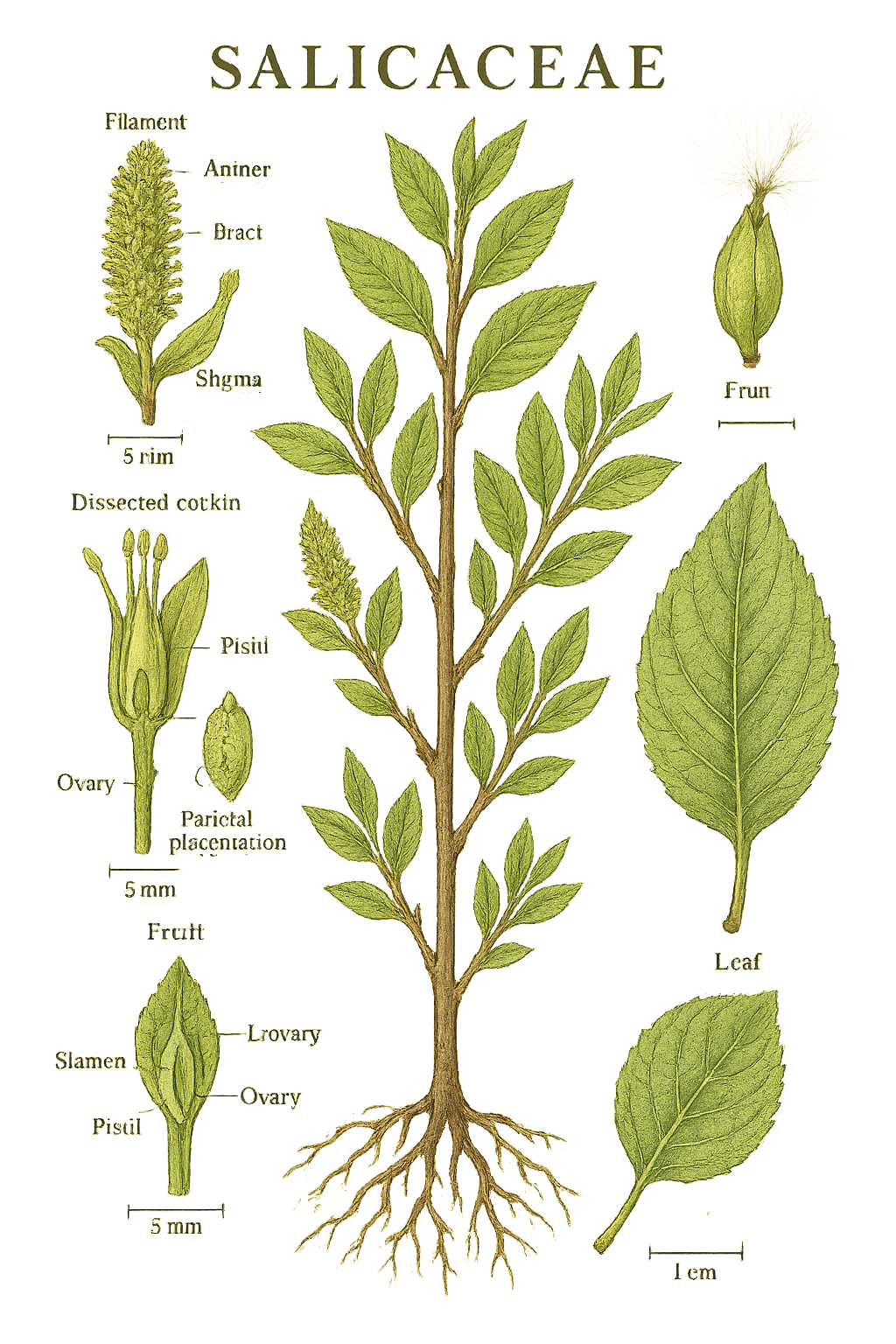
Violaceae belongs to the large and exceptionally diverse order Malpighiales, which is situated within the fabid (or eurosid I) clade of rosids. Malpighiales contains over 40 families, including well-known groups like Euphorbiaceae (spurges), Salicaceae (willows), Passifloraceae (passionflowers), Rhizophoraceae (mangroves), and Linaceae (flax), exhibiting an incredible range of morphological and ecological diversity.
Within Malpighiales, Violaceae is part of a clade that often includes families like Passifloraceae, Salicaceae, Lacistemataceae, and Turneraceae (now often included in Passifloraceae). The exact relationships among these families are areas of ongoing research, but Violaceae's placement within this broad tropical-centric order is well-established by molecular data.
Position in Plant Phylogeny
- Kingdom: Plantae
- Clade: Angiosperms (Flowering plants)
- Clade: Eudicots
- Clade: Rosids
- Clade: Fabids (Eurosids I)
- Order: Malpighiales
- Family: Violaceae
Evolutionary Significance
Violaceae showcases several interesting evolutionary aspects:
- Habit Diversity: Spans the range from small temperate herbs to large tropical trees within a single family.
- Floral Evolution: Demonstrates the evolution of zygomorphy and specialized pollination mechanisms (nectar spurs) from potentially actinomorphic ancestors within the family.
- Cleistogamy: The development of closed, self-pollinating flowers in Viola is a significant adaptation for reproductive assurance.
- Chemical Defenses: The production of cyclotides represents a unique and potent form of peptide-based defense against pests and pathogens.
- Biogeography: Its cosmopolitan distribution suggests ancient origins and successful dispersal across continents.