Ditrichaceae
Ditrichum Moss Family
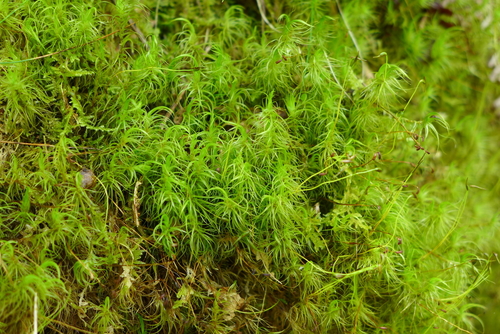
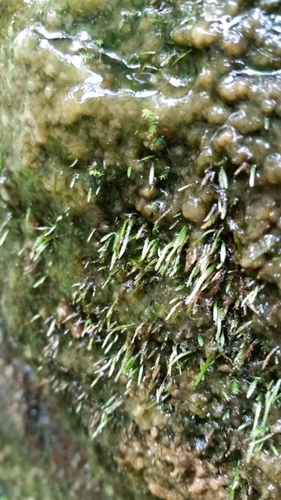
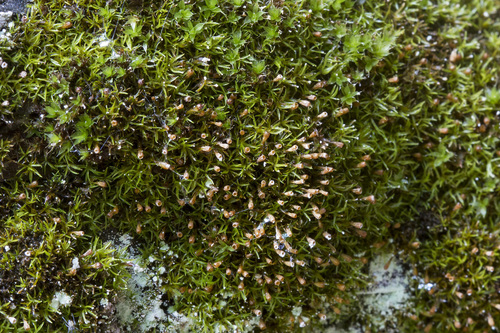
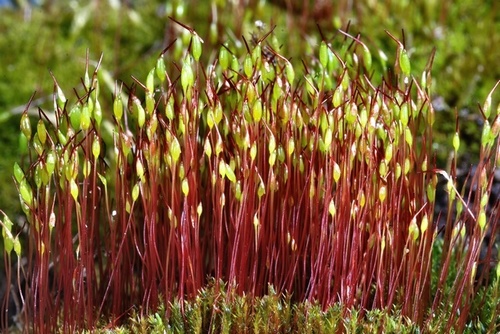
The Ditrichaceae family comprises generally small, acrocarpous mosses typically found growing in tufts or sods on disturbed mineral soil, clay, gravel, or acidic substrates. They are characterized by their often narrow, subulate (awl-shaped) leaves, long slender setae, and erect capsules with peristome teeth usually deeply split into two forks. The family has a cosmopolitan distribution.
Overview
Ditrichaceae is a significant family within the order Dicranales, known for its members' ability to colonize open, often disturbed or nutrient-poor habitats. Many species are considered pioneers on bare soil. The family includes well-known genera like Ditrichum, the widespread weed Ceratodon purpureus, the cleistocarpous genus Pleuridium, and the distichous-leaved Distichium.
While typically small, these mosses can form extensive colonies. Their identification often relies on the combination of the subulate leaf shape, the long-stalked, erect capsule, the characteristic peristome (when present and observable), and their typical habitat on mineral soil or similar substrates. They are found worldwide, from polar regions to the tropics.
Quick Facts
- Scientific Name: Ditrichaceae
- Common Name: Ditrichum Moss Family (no single widely accepted common name)
- Number of Genera: Approximately 25 (e.g., Ditrichum, Ceratodon, Pleuridium, Distichium, Saelania)
- Number of Species: Approximately 150-200
- Distribution: Cosmopolitan.
- Evolutionary Group: Bryophytes - Mosses (Class: Bryopsida, Order: Dicranales)
Key Characteristics
Growth Form and Habit
Plants are acrocarpous and generally small, forming low, often dense tufts, sods, or gregarious patches. Stems are erect, usually simple or sparsely branched. Color varies from green to yellowish-green or brownish.
Leaves
Leaves are the most characteristic feature for many genera. They are typically subulate, meaning they taper gradually or abruptly from a broader, often ovate or lanceolate base into a long, narrow, channelled point (subula). This subula is frequently composed mostly of the strong, single, percurrent (reaching tip) or excurrent (extending beyond tip) costa. Leaves are often erect to erect-spreading, sometimes secund (curved to one side). Leaf cells are typically smooth, short-rectangular to quadrate in the upper part, longer rectangular below. An exception is Distichium, which has distinctly 2-ranked (distichous) leaves.
Sporophyte (Capsule)
Sporophytes are terminal on stems. The seta (stalk) is typically long, slender, straight or slightly curved, and often yellowish, reddish, or brownish. The capsule is usually erect and symmetric (or nearly so), typically ovoid to cylindrical, and smooth (though Ceratodon capsules become furrowed/strumose when dry). An operculum (lid) is usually present, often conical or rostrate (beaked).
The peristome, when present, is typically single, consisting of 16 teeth that are usually deeply divided (split) almost to the base into two (or three) filiform (thread-like), papillose forks. This structure is very similar to that found in the related family Dicranaceae. However, some genera are cleistocarpous (e.g., Pleuridium), meaning the capsule does not open via an operculum or peristome, and spores are released by the decay of the capsule wall; these genera often have immersed or short-stalked capsules.
Habitat
Characteristically found as pioneers on open, often disturbed mineral soil. Common habitats include bare earth on banks, roadsides, fields, waste ground, gravel pits, clay, acidic soil, peat, and sometimes thin soil over rock or rock crevices. They are less common as epiphytes or on logs.
Field Identification
Identifying Ditrichaceae often involves combining habitat cues with morphological features:
Primary Identification Features
- Subulate Leaves: Narrow, awl-shaped leaf tips, often appearing as mostly costa (except in genera like Ceratodon with broader leaves, or Distichium with 2-ranked leaves).
- Habitat: Typically found on disturbed mineral soil, clay, or gravel.
- Long, Slender Seta: The stalk supporting the capsule is usually conspicuously long and thin (except in cleistocarpous genera).
- Erect, Symmetric Capsule: Capsules are typically upright and evenly shaped (ovoid/cylindrical).
- Split Peristome Teeth: 16 teeth deeply divided into 2(-3) forks (requires magnification, absent in cleistocarps).
Secondary Identification Features
- Small Size: Most species form low tufts or sods.
- Acrocarpous Growth: Sporophytes terminal.
- Smooth Leaf Cells: Cells generally lack papillae.
- Distichium Exception: Look for 2-ranked leaves in this genus.
- Pleuridium Exception: Look for cleistocarpous, often immersed capsules on soil.
Seasonal Identification Tips
- Sporophytes Common: Due to their weedy nature, sporophytes are frequently produced, often maturing from spring through summer. The long setae are often persistent.
- Gametophytes Year-Round: Vegetative plants can be found year-round, though they may be less conspicuous during dry periods.
Common Confusion Points
- Dicranaceae (esp. Dicranella): Very closely related and can be similar. Dicranella often grows on similar substrates and has subulate leaves and similar peristomes. Distinction may rely on subtle differences in leaf base shape, capsule inclination (sometimes cernuous in Dicranella), or seta color/length.
- Small Pottiaceae: Some species grow on soil but usually have broader leaves, often papillose cells, hair points, and different peristome structures (when present).
- Small Bryaceae: Can grow on soil but have broader, non-subulate leaves and a different (typically double) peristome structure.
- Campylopus (Dicranaceae): Has subulate leaves but usually forms denser, taller tufts often on acidic peat/rock, and has a different capsule/calyptra.
Field Guide Quick Reference
Look For:
- Small acrocarpous tufts on disturbed soil/clay/gravel
- Leaves typically subulate (awl-shaped)
- Long, slender seta (usually)
- Capsule erect, symmetric (usually)
- Peristome teeth split into forks (usually)
Key Variations:
- Ceratodon: Broader leaves, furrowed capsule.
- Distichium: 2-ranked leaves.
- Pleuridium: Cleistocarpous, immersed capsule.
- Cosmopolitan distribution.
Notable Examples
This family includes some very common and widespread mosses.

Ceratodon purpureus
Fire Moss / Purple Horn Tooth Moss
An extremely common, cosmopolitan moss found in a huge range of disturbed habitats, from roadsides and rooftops to burnt ground (hence "Fire Moss"). It forms dense, low tufts, often yellowish-green above and brownish below. Leaves are lanceolate (not strongly subulate), margins recurved. Instantly recognizable when fertile by its numerous long, typically dark red setae bearing erect to inclined capsules that become strongly furrowed and constricted below the mouth when dry. The peristome teeth are typical for the family.

Ditrichum pusillum
Brown Foot Ditrichum Moss
A representative species of the genus Ditrichum, common on bare, damp clay or sandy soil, such as ditch banks and woodland trails. It forms short, yellowish-green tufts. Its leaves are characteristically subulate, tapering from a short ovate base to a long, narrow point composed mostly of the costa. The seta is yellowish and bears an erect, ovoid-cylindrical capsule with the typical split peristome teeth.

Distichium capillaceum
Distichium Moss
Notable within the family for its strictly 2-ranked (distichous) leaf arrangement, giving the shoots a flattened appearance. It forms dense, silky, green to yellowish-green tufts, typically found in rock crevices or on soil over rock, often in calcareous or montane areas. The leaves consist of a sheathing base abruptly narrowed to a long, rough subula. Despite the unusual leaf arrangement, the sporophyte (long seta, erect capsule, split peristome teeth) fits within Ditrichaceae.
Phylogeny and Classification
Ditrichaceae is a core family within the order Dicranales, a major group of acrocarpous mosses. It is considered closely related to the family Dicranaceae, sharing key characteristics like the structure of the peristome teeth (typically 16, split into 2-3 filiform forks).
The family represents a diverse lineage often characterized by adaptations to colonizing open, disturbed, or nutrient-poor mineral substrates. Genera like Pleuridium show evolutionary trends towards cleistocarpy (loss of operculum/peristome), often associated with ephemeral habitats. The inclusion of the distichous-leaved Distichium highlights some morphological diversity within the family, although its sporophyte features align it here.
Position in Plant Phylogeny
- Kingdom: Plantae
- Division: Bryophyta (Mosses)
- Class: Bryopsida
- Order: Dicranales
- Family: Ditrichaceae
Evolutionary Significance
The Ditrichaceae family is significant for:
- Pioneer Colonization: Many species are important primary colonizers of bare mineral soil, playing a role in soil formation and succession.
- Adaptation to Disturbance: Exhibiting life history strategies suited to frequent disturbance and open habitats (e.g., abundant spore production).
- Morphological Variation: Including typical forms with subulate leaves and split peristomes, as well as variations like cleistocarpy (Pleuridium) and distichous leaves (Distichium).
- Relationship to Dicranaceae: Providing insights into the evolution and diversification within the core Dicranales lineage.