Coriariaceae
Coriariaceae Family
Coriariaceae is a family of flowering plants...
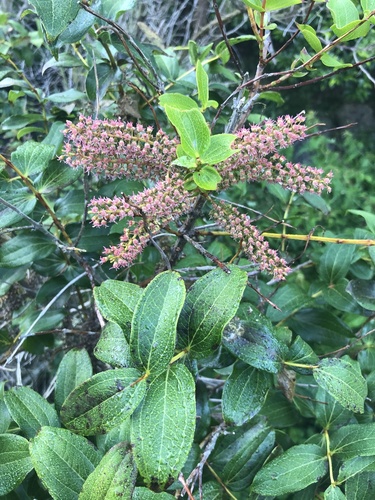
Overview
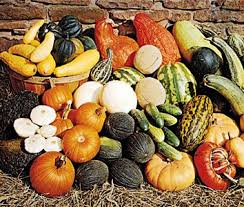
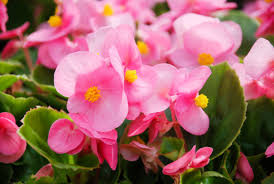
Coriariaceae is a unique family containing only the genus Coriaria, with a taxonomically challenging group of about 5-15 species. It belongs to the order Cucurbitales (which also includes gourds and begonias), placed within the Fabid clade of Rosids. The family's distribution is one of the most striking examples of geographical disjunction in the plant kingdom, occurring in widely separated regions: the Mediterranean, the Himalayas eastward to Japan, New Guinea and Pacific islands including New Zealand, and mountainous areas from Mexico to southern South America.
Members are perennial shrubs, subshrubs, or herbs with woody bases, often having angular stems. A distinctive vegetative feature is the arrangement of the typically opposite or whorled simple leaves in two ranks (distichously) along lateral branches, giving the entire shoot the appearance of a pinnately compound leaf. The plants harbor nitrogen-fixing actinobacteria (Frankia) in root nodules, allowing them to colonize nutrient-poor or disturbed sites. Importantly, most parts of Coriaria plants (especially fruits and leaves) are highly poisonous due to the presence of neurotoxins like coriamyrtin.
Flowers are small, inconspicuous, typically 5-merous, and wind-pollinated. They possess an apocarpous gynoecium consisting of 5-10 separate carpels. The fruit structure is highly unusual: after fertilization, the small petals enlarge, become fleshy, and turn dark purple or black, tightly enclosing the cluster of dry, one-seeded achenes derived from the individual carpels. This results in a structure that resembles a berry or drupe (a pseudo-drupe) but has a unique internal composition. The family has minimal economic importance due to its toxicity, but holds significant botanical and biogeographical interest.
Quick Facts
- Scientific Name: Coriariaceae DC.
- Common Name: Coriaria family (or Tutu family)
- Number of Genera: 1 (Coriaria)
- Number of Species: Approximately 5-15 (variable taxonomy)
- Distribution: Highly disjunct: Mediterranean, E Asia, NZ/Pacific Is., C & S America.
- Evolutionary Group: Eudicots - Rosids (Fabids / Eurosids I) - Order Cucurbitales
Key Characteristics
Growth Form and Habit
Perennial shrubs, subshrubs (woody mainly at base), or suffrutescent herbs, sometimes scrambling. Stems often angular or square in cross-section. Possess root nodules containing nitrogen-fixing Frankia bacteria. Plants are generally highly poisonous.
Leaves
Leaves are typically arranged oppositely or sometimes in whorls of 3 or 4. They are simple, sessile or shortly petiolate, usually ovate to lanceolate with entire margins. Leaves possess several prominent veins arising from the base or near base and running roughly parallel towards the apex (acrodromous or parallelodromous-like venation). A key feature is that leaves are often borne distichously (in two ranks) along slender lateral branches, causing the entire shoot to strongly resemble a pinnately compound leaf. Stipules are usually absent or represented by minute teeth.
Inflorescence
Flowers are typically arranged in slender, often pendulous or nodding racemes, which arise terminally, laterally from main stems, or on short axillary shoots. Sometimes flowers are solitary or in small clusters.
Flowers
Flowers are small (a few mm), inconspicuous, actinomorphic (radially symmetrical), and may be bisexual or unisexual (plants can be monoecious, andromonoecious, or polygamous). They are typically 5-merous and adapted for wind pollination (anemophily).
- Calyx: Consists of 5 small sepals, fused only at the base, triangular or ovate, persistent.
- Corolla: Consists of 5 petals, which are free, smaller than the sepals, often greenish or reddish, and inconspicuous during flowering. Crucially, the petals are persistent and accrescent, becoming thick, fleshy, and dark-colored (usually purple or black) after fertilization to enclose the fruit.
- Androecium: Typically consists of 10 stamens arranged in two whorls of 5 (diplostemonous). Filaments are free and relatively short; anthers are large relative to the flower, basifixed, often reddish, and dehisce via longitudinal slits releasing abundant pollen.
- Gynoecium: Distinctively apocarpous, composed of 5 or 10 (range 5-12) separate (free) carpels arranged in a whorl. Each carpel is superior, contains a single pendulous ovule, and possesses its own distinct, free style which is relatively long, slender (filiform), and covered almost entirely with receptive papillae (linear stigma).
Fruits and Seeds
The true fruit is an aggregate of small, dry, one-seeded, indehiscent units called achenes (or nutlets), with one achene developing from each carpel. However, the entire fruiting structure functions as a dispersal unit and strongly resembles a berry or drupe because the persistent petals enlarge significantly, become fleshy or succulent, and tightly enclose the cluster of achenes. This structure, often dark purple or black, is termed a pseudo-drupe. Each achene contains a single seed with oily endosperm and a straight embryo.
Chemical Characteristics
The family is notorious for producing potent neurotoxins, primarily sesquiterpene lactones of the picrotoxane group, including coriamyrtin and tutin, making most parts of the plant dangerous if ingested. Ellagitannins are also present. The symbiotic nitrogen fixation with Frankia is a key physiological feature.
Field Identification
Identifying Coriaria species relies on recognizing the unique combination of its compound-leaf mimicry, apocarpous flowers (if seen closely), distinctive pseudo-drupe fruit, nitrogen-fixing habit, and awareness of its highly disjunct distribution and toxicity.
Primary Identification Features
- Habit: Shrub, subshrub, or perennial herb, often with angular stems.
- Compound Leaf Mimicry: Opposite or whorled simple leaves arranged on branches to look like pinnately compound leaves.
- Apocarpous Gynoecium: Flowers have 5-10 separate carpels, each with its own long, linear style/stigma (requires close look at flowers).
- Pseudo-Drupe Fruit: Fruit appears berry-like (often dark purple/black) but consists of dry achenes tightly enclosed by persistent, fleshy petals.
- Nitrogen-Fixing Nodules: Presence of Frankia nodules on roots (if accessible).
- Known Toxicity: Plants recognized as highly poisonous in their native regions.
- Highly Disjunct Distribution: Found only in specific, widely separated parts of the world (Medit., E Asia, NZ/Pacific, C/S America).
Secondary Identification Features
- Small, 5-merous flowers, often in racemes.
- 10 stamens with often reddish anthers.
- Leaves simple, entire, with subparallel veins.
- Stipules absent or minute.
Seasonal Identification Tips
- Vegetative State: The distinctive arrangement of opposite/whorled leaves mimicking compound leaves is visible throughout the growing season.
- Flowering Season: Look for drooping or erect racemes of small, wind-pollinated flowers (often reddish due to anthers/stigmas) seasonally. Observe the separate styles if possible.
- Fruiting Season: The development of the pseudo-drupes (fleshy dark petals enclosing achenes) is highly diagnostic and occurs after flowering.
Common Confusion Points
- Actual Compound-Leaved Shrubs: Families like Rosaceae (Sorbus), Fabaceae, Sapindaceae may have shrubs with truly pinnately compound leaves, but their flower structure (petals, stamen number, gynoecium) and fruit types (pomes, legumes, capsules, samaras) are entirely different. Coriariaceae leaves are simple but arranged to mimic compound.
- Other Apocarpous Families: Ranunculaceae and Rosaceae often have apocarpous flowers, but differ greatly in leaf type/arrangement, presence of showy petals, stamen number, and fruit types (achenes/follicles not enclosed by fleshy petals).
- Plants with Purple/Black Berries/Drupes: Many unrelated families produce dark fleshy fruits (e.g., some Caprifoliaceae, Rubiaceae, Ericaceae, Rosaceae). Close inspection of Coriariaceae fruit reveals the unique structure of achenes inside fleshy petals.
- The combination of compound-leaf mimicry, apocarpy, and the pseudo-drupe fruit is unique to Coriariaceae.
Field Guide Quick Reference
Look For:
- Shrub/Subshrub/Herb
- Opposite/Whorled simple leaves mimicking compound leaves
- Flowers small, 5-merous, often in racemes
- Gynoecium apocarpous (5-10 free carpels)
- Fruit = cluster of achenes enclosed by persistent fleshy petals (Pseudo-drupe, often dark)
- Nitrogen-fixing nodules (Frankia)
- Highly poisonous
- Highly disjunct global distribution
Key Variations (Species Level):
- Habit (height, woodiness)
- Leaf size and shape
- Number of carpels/styles (often 5 or 10)
- Raceme length and density
- Minor differences in achene/petal morphology
Notable Examples
The family Coriariaceae contains only the genus Coriaria, with species distributed widely but discontinuously across the globe.

Coriaria genus
Coriaria
The sole genus of the family. Shrubs, subshrubs or herbs characterized by opposite/whorled simple leaves arranged to resemble pinnate compound leaves, nitrogen-fixing root nodules (Frankia), small apocarpous flowers, and unique pseudo-drupe fruits formed by fleshy petals enclosing achenes. All species should be considered highly toxic.

Compound Leaf Mimicry
Leaf Arrangement
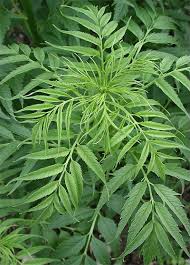
A hallmark of Coriaria is how the simple, opposite or whorled leaves are arranged in two ranks along lateral branches, giving the entire shoot the false appearance of a large, pinnately compound leaf. The true leaves are the individual leaflets in this 'pseudo-leaf'.

Pseudo-Drupe Fruit
Coriaria Fruit Structure
The fruit looks like a berry or drupe but is structurally unique. The small, dry achenes (true fruits) derived from the separate carpels become tightly enclosed by the 5 petals, which enlarge, turn fleshy, and usually become dark purple or black at maturity.

Coriaria ruscifolia
Tutu
A widespread and variable species found in New Zealand, some Pacific islands, and Central/South America. Can range from a subshrub to a small tree. Known locally as "Tutu" in New Zealand, where its toxicity (especially foliage and unripe fruit) has caused livestock and occasional human poisonings.
Phylogeny and Classification
Coriariaceae (Coriaria) is placed within the order Cucurbitales, part of the Fabid clade of Rosids. This placement, strongly supported by molecular phylogenetic data, was somewhat surprising based on morphology, as Coriariaceae lacks the inferior ovaries and parietal placentation common in other major families of the order like Cucurbitaceae (gourds) and Begoniaceae (begonias).
Within Cucurbitales, the exact position of Coriariaceae remains somewhat uncertain. It represents a distinct lineage. Some studies suggest it might be sister to the rest of the order, while others place it in a clade with other smaller families like Corynocarpaceae or Anisophylleaceae. Its membership in Cucurbitales is significant because nitrogen fixation via Frankia symbiosis also occurs in Datiscaceae, another family within this order, suggesting either multiple independent origins/losses or a deep ancestral origin within the group.
Position in Plant Phylogeny
- Kingdom: Plantae
- Clade: Angiosperms (Flowering plants)
- Clade: Eudicots
- Clade: Rosids (Fabids / Eurosids I)
- Order: Cucurbitales
- Family: Coriariaceae
Evolutionary Significance
Coriariaceae is evolutionarily significant for several reasons:
- Phylogenetic Placement: Its inclusion in Cucurbitales highlights the power of molecular data to reveal unexpected relationships not obvious from morphology alone.
- Biogeography: The extreme disjunction in its distribution across widely separated landmasses is a classic puzzle, suggesting either very ancient origins followed by vicariance or remarkable long-distance dispersal capabilities.
- Retention of Apocarpy: Possessing separate carpels is generally considered an ancestral trait within angiosperms, retained here within the Cucurbitales order where syncarpy (fused carpels) is more common.
- Unique Fruit Development: The formation of a pseudo-drupe by fleshy, accrescent petals enclosing achenes is a highly unusual fruit syndrome.
- Nitrogen Fixation: Represents one of the few non-legume lineages capable of actinorhizal nitrogen fixation (with Frankia), providing insights into the evolution of this important symbiosis.
- Toxicity: Its potent neurotoxins represent a strong chemical defense strategy.