Cephaloziaceae
Threadwort Family
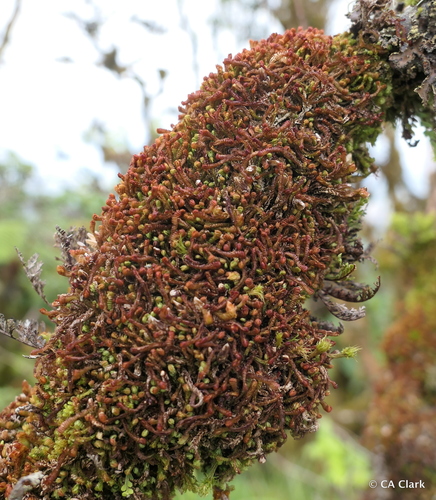
Cephaloziaceae is a large and cosmopolitan family of leafy liverworts, commonly known as threadworts due to the often small, slender habit of many species. They are characterized by typically deeply bilobed leaves, usually lacking underleaves, and large, thin-walled cells. The family thrives in moist to wet habitats worldwide.
Overview
The Cephaloziaceae, or Threadwort family, is a significant and widespread group within the Jungermanniales, containing numerous genera such as Cephalozia, Nowellia, and Odontoschisma. Many members are small, delicate, and thread-like, often forming intricate mats or creeping amongst other bryophytes. Their common name reflects this slender appearance. They are ecologically diverse, commonly inhabiting perpetually moist or wet environments like bogs, fens, stream banks, decaying wood, and damp soil or rocks, from boreal regions to the tropics.
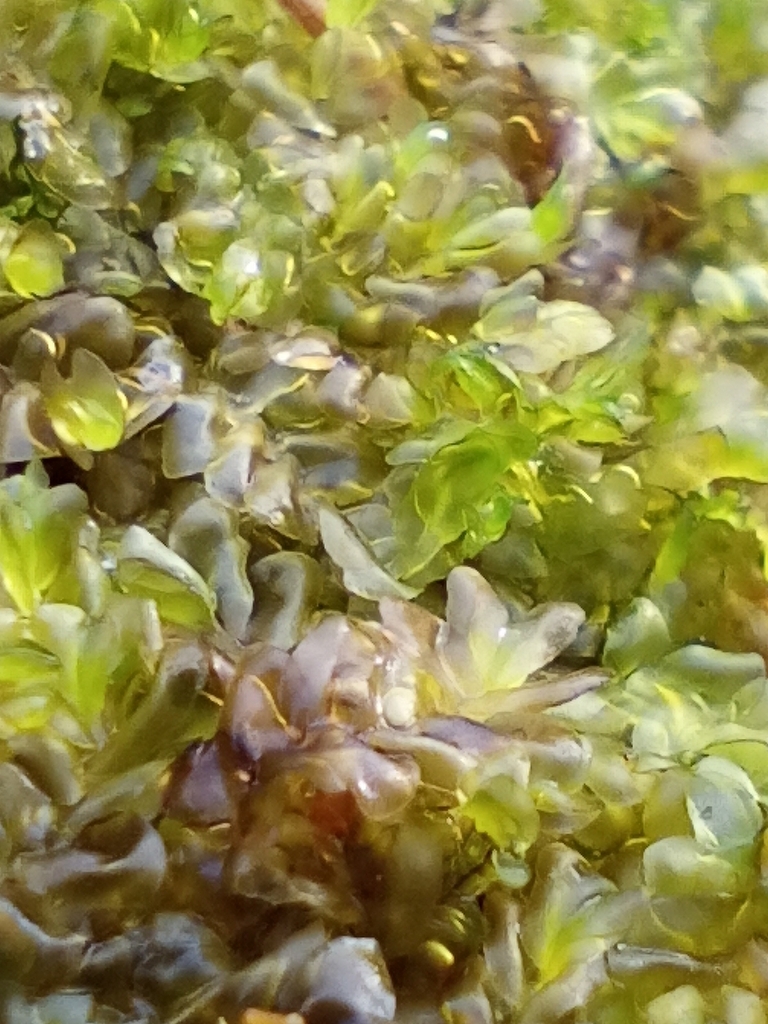
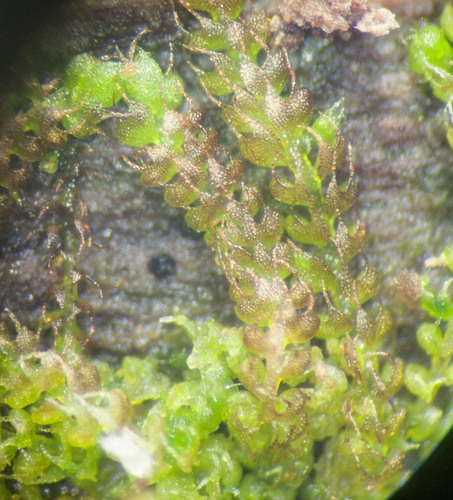
Key features of the family include leaves that are typically deeply bilobed (often more than halfway) with pointed lobes, transverse or succubous leaf insertion, and the general absence or minute size of underleaves. Their cells are often conspicuously large and thin-walled, lacking the prominent trigones seen in many other liverwort families. Asexual reproduction via gemmae is common in several genera.
As the type family for the suborder Cephaloziineae, Cephaloziaceae plays a central role in understanding the phylogeny of this major liverwort lineage. Its members are important components of wetland ecosystems and contribute significantly to bryophyte diversity on decaying wood substrates.
Quick Facts
- Scientific Name: Cephaloziaceae
- Common Name: Threadwort Family
- Number of Genera: Approximately 15-20
- Number of Species: Approximately 100-150
- Distribution: Cosmopolitan (worldwide), especially diverse in temperate and boreal zones
- Evolutionary Group: Liverworts (Marchantiophyta) - Jungermanniopsida - Cephaloziineae
Key Characteristics
Gametophyte Form and Habit
Plants are typically small to medium-sized, often delicate and slender (thread-like), forming creeping mats or patches, or interwoven with other bryophytes. Color ranges from pale green or whitish-green to bright green, sometimes developing reddish or brownish pigments. Stems are prostrate or ascending, with branching patterns varying by genus, often ventral-intercalary or lateral (Frullania-type or Acromastigum-type).
Leaves and Underleaves
Leaves are typically inserted transversely or succubously and are often distant, allowing the stem to be visible. A defining characteristic is that leaves are usually deeply bilobed, often divided for more than half their length into two acute or acuminate lobes (though some genera like Odontoschisma have entire or shallowly notched leaves). The leaves are frequently concave or channelled. Underleaves are characteristically absent or rudimentary (very small, lanceolate or bifid scales), rarely conspicuous.
Rhizoids
Rhizoids are typically colorless and often scattered along the ventral surface of the stem, not restricted to underleaf bases (as underleaves are usually absent/small).
Cellular Structure
Leaf cells are generally large, often hexagonal or rectangular, and typically thin-walled, lacking significant trigones (corner thickenings), giving the plants a soft, often translucent texture (exceptions like Odontoschisma may have trigones). Oil bodies, when present, are usually small and few per cell, or sometimes absent.
Asexual Reproduction
Asexual reproduction via gemmae is common in many genera (e.g., Cephalozia, Odontoschisma). Gemmae are small clusters of cells, typically 1-2 celled, produced on the tips of specialized upright shoots or leaf lobes, which can detach and grow into new plants.
Reproductive Structures
Plants can be dioicous or monoicous.
- Antheridia are usually small, borne in the axils of saccate bracts, often forming spikes on short ventral branches or intercalary on main stems.
- Archegonia are terminal on main shoots or, more commonly, on short ventral branches, surrounded by larger bracts and bracteoles.
- A well-developed perianth is consistently present. It is typically long, cylindrical or fusiform, characteristically 3-keeled (trigonous) at least in the upper part, and strongly contracted towards the mouth, which may be ciliate, dentate, or lobed. Marsupia are absent.
Sporophytes and Spores
The sporophyte develops within the perianth. The seta is often long and delicate. The capsule is typically ovoid or ellipsoid, with a wall usually composed of only two layers of cells (a key feature). Dehiscence is via four valves, releasing spores and elaters.
Field Identification
Identifying Cephaloziaceae often involves looking for small, delicate liverworts in wet places, focusing on the deeply bilobed leaves and lack of underleaves. A hand lens is usually essential.
Primary Identification Features
- Habit: Often small, delicate, thread-like plants forming mats or creeping.
- Leaves: Typically deeply bilobed (often >1/2 way) with pointed lobes. Insertion transverse or succubous.
- Underleaves: Usually absent or rudimentary (very small and inconspicuous).
- Cells: Often appear large and pellucid (clear) due to thin walls (use hand lens).
- Habitat: Commonly found in wet habitats (bogs, fens, stream banks) or on decaying wood.
- Perianth: Long, terminal (often on short ventral branches), typically 3-angled towards the mouth.
Secondary Identification Features
- Color: Often pale or bright green, sometimes reddish/brownish.
- Gemmae: Look for clusters of gemmae on shoot tips or leaf lobes in some species.
- Branching: Variable, often including ventral-intercalary branches.
- Specialized Structures: Nowellia has distinctive leaves with inflated, pouch-like bases.
Seasonal Identification Tips
Cephaloziaceae gametophytes are perennial and can be found year-round:
- Year-Round: Vegetative features like leaf shape, cell structure, and lack of underleaves are constant.
- Wet Conditions: Plants are most easily observed when hydrated. Habitats may be seasonally inundated.
- Gemmae/Reproduction: Gemmae production and the development of perianths/sporophytes may be more common during favorable growing seasons (spring, summer).
Common Confusion Points
Small size and bilobed leaves can lead to confusion with other families:
- Cephaloziellaceae: Very small plants, also with bilobed leaves and often no underleaves, but cells are typically much smaller and often thicker-walled. Perianth structure differs.
- Some Lepidoziaceae (e.g., Kurzia, Telaranea): Can be small and thread-like with divided leaves, but usually have distinct (though sometimes small) underleaves and often different branching patterns or cell shapes.
- Antheliaceae (Anthelia): Found in alpine/arctic habitats, has opposite leaves and distinct underleaves, appearing 3-ranked.
- Gymnomitriaceae: Often alpine/arctic rock dwellers, leaves typically appressed (pressed close to stem), different cell structure.
Field Guide Quick Reference
Look For:
- Small, delicate, often thread-like habit
- Leaves deeply bilobed (>1/2)
- Underleaves absent or rudimentary
- Large, thin-walled cells (pellucid look)
- Wet habitats or decaying wood
- Long, often 3-angled perianth
- Gemmae often present
Key Distinctions:
- Deeply bilobed leaves + absent/tiny underleaves
- Large, thin-walled cells (vs. small/thick in Cephaloziellaceae)
- Underleaves absent/tiny (vs. present in Lepidoziaceae)
- Leaves not opposite (vs. Antheliaceae)
- Leaves not complicate-bilobed
Notable Examples
This family includes several common and widespread genera:

Cephalozia spp. (e.g., C. bicuspidata, C. connivens)
Threadworts
The type genus, containing small, thread-like plants common on damp soil, peat, and decaying wood. Leaves are distant, deeply bilobed with often pointed lobes. Underleaves absent. Gemmae are frequently produced. Perianths are typically on short ventral branches.

Nowellia curvifolia
Curved-leaf Threadwort
A distinctive species instantly recognizable by its leaves, which have strongly inflated, pouch-like ventral bases and two narrow, curved lobes pointing forwards. Almost exclusively found on decaying logs in humid forests. Underleaves absent.

Odontoschisma spp. (e.g., O. denudatum, O. prostratum)
Pouchworts (sometimes)
Differs from typical Cephaloziaceae in having leaves that are entire or only shallowly notched/retuse at the apex, not deeply bilobed. Plants are often larger and more robust than Cephalozia, sometimes brownish or reddish. Cells often have trigones. Underleaves small or absent. Gemmae common. Often found on peat or decaying wood.

Cladopodiella fluitans
Floating Threadwort
A species characteristic of very wet habitats, often submerged or floating in bog pools and fens. Stems are often dark. Leaves are distant, transversely inserted, and deeply bilobed. Underleaves are small but usually present.
Phylogeny and Classification
Cephaloziaceae is the type family for the suborder Cephaloziineae, a major lineage within the order Jungermanniales, class Jungermanniopsida, and division Marchantiophyta. Molecular studies consistently place it within this suborder, alongside families like Adelanthaceae and Jackiellaceae. The family itself is relatively large and diverse, and internal relationships among its genera are actively studied.
Features like the deeply bilobed leaves, lack of underleaves, large thin-walled cells, and the 2-layered capsule wall are characteristic of the core members of the family. Genera like Odontoschisma show some divergent traits (entire leaves, trigones) but are phylogenetically nested within or sister to the main Cephaloziaceae clade. The family represents a significant radiation into moist and wet habitats globally.
Position in Plant Phylogeny
- Kingdom: Plantae
- Clade: Embryophytes (Land Plants)
- Division: Marchantiophyta (Liverworts)
- Class: Jungermanniopsida
- Order: Jungermanniales
- Suborder: Cephaloziineae
- Family: Cephaloziaceae
Evolutionary Significance
Cephaloziaceae is significant for:
- Ecological Diversity: Successfully occupies a wide range of moist to wet habitats, particularly peatlands and decaying wood niches.
- Morphological Simplicity/Specialization: Many members exhibit a seemingly simple morphology (thread-like stems, bilobed leaves, no underleaves), while others like Nowellia show unique specializations.
- Asexual Reproduction: Widespread occurrence of gemmae highlights the importance of asexual propagation in this group.
- Phylogenetic Importance: As the type family of Cephaloziineae, it is crucial for understanding the evolution and classification of this major liverwort suborder.
- Indicator Species: Many species are sensitive indicators of habitat quality, particularly in wetlands and forests.