Ancistrocladaceae
Ancistrocladus Family
Ancistrocladaceae is a unique family of flowering plants in the order Caryophyllales, consisting of a single genus, Ancistrocladus. These plants are lianas or scrambling shrubs found in the Old World tropics (West Africa and South/Southeast Asia). They are characterized by the presence of distinctive grappling hooks used for climbing and by fruits crowned with enlarged, wing-like sepals. The family is also known for producing unique naphthylisoquinoline alkaloids with potential medicinal properties.
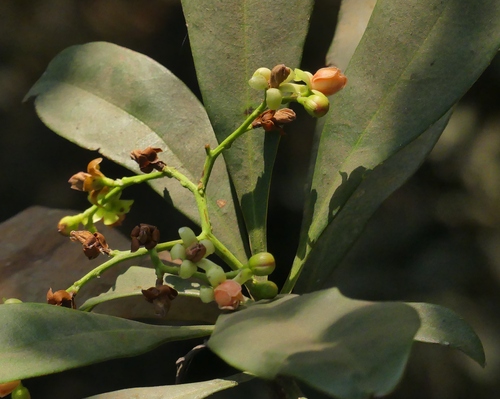
Overview
The Ancistrocladaceae family contains only the genus Ancistrocladus, with approximately 12-20 species. These plants are woody climbers (lianas) or sometimes scrambling shrubs adapted to tropical rainforests and swamp forests. The family exhibits a striking disjunct distribution, with species found either in tropical West Africa or separately in South and Southeast Asia (from India and Sri Lanka eastward to Borneo).
A defining morphological feature is the presence of hooks – modified short branches, tendrils, or inflorescence axes – that are coiled (circinate) when young and harden into grappling hooks used to cling onto supporting vegetation. Leaves are simple, alternate, entire, often leathery, and tend to cluster near the branch tips. Flowers are small and 5-merous, but the fruit is highly distinctive, being a small nut surrounded by the greatly enlarged, wing-like persistent sepals that aid in wind dispersal.
Ancistrocladaceae has gained significant attention due to the unique secondary metabolites found within the plants, particularly naphthylisoquinoline alkaloids like ancistrocladine and michellamine B. Some of these compounds have shown promising biological activity, including antimalarial and antiviral (anti-HIV) properties, making the family a subject of pharmacological research. Otherwise, the plants have limited direct economic use but are ecologically part of tropical liana communities.
Quick Facts
- Scientific Name: Ancistrocladaceae
- Common Name: Ancistrocladus family
- Number of Genera: 1 (Ancistrocladus)
- Number of Species: Approximately 12-20
- Distribution: Disjunct: Tropical West Africa and South/Southeast Asia
- Evolutionary Group: Eudicots - Core Eudicots - Caryophyllales
- Current Date: March 29, 2025
Key Characteristics
Growth Form and Habit
Lianas (woody climbers) or scrambling shrubs. Possess characteristic woody grappling hooks formed from modified short branches, tendrils, or inflorescences, circinate when young.
Leaves
Leaves are alternate, simple, entire-margined, and often leathery (coriaceous). They are typically clustered towards the ends of branches in pseudo-rosettes. Minute, exudate-producing glands (punctate) are present on the leaf surface. Stipules are small and caducous (falling early) or absent.
Inflorescence
Flowers are arranged in terminal or axillary, often highly branched, cymose or paniculate inflorescences.
Flowers
Flowers are small, usually bisexual, actinomorphic (radially symmetrical), and typically 5-merous.
- Calyx: 5 sepals, strongly fused into a tube at the base, which is adnate (fused) to the lower part of the ovary. The 5 calyx lobes are unequal and persist, enlarging greatly into wings in the fruit (accrescent).
- Corolla: 5 petals, distinct or slightly fused at the base, often twisted in bud (contorted), typically white, yellowish or pinkish. Petals fall off early.
- Androecium: Stamens usually 10 (sometimes 5), often unequal. Filaments can be fused basally and attached to the corolla base.
- Gynoecium: Ovary is mostly superior but appears half-inferior due to fusion with the calyx tube base. It is composed of 3 fused carpels forming a single locule (unilocular) containing a single basal ovule. There are 3 distinct styles, often branched or divided.
Fruits and Seeds
The fruit is a dry, indehiscent, nut-like achene containing a single seed. It is characteristically crowned and surrounded by the 5 persistent, greatly enlarged, papery, wing-like calyx lobes, making the entire structure function like a samara for wind dispersal.
The single seed has a small, often hooked or curved embryo, surrounded by distinctively ruminate endosperm (endosperm irregularly folded or intruded by the seed coat).
Chemical Characteristics
The family is biochemically unique for producing a range of complex naphthylisoquinoline alkaloids (e.g., ancistrocladine, dioncophylline, michellamine B). These compounds are structurally distinct and possess significant biological activities. Acetogenic quinones are also present.
Field Identification
Identifying Ancistrocladaceae (Ancistrocladus species) relies on recognizing their liana habit combined with several unique morphological features, particularly the climbing hooks and winged fruits:
Primary Identification Features
- Habit and Location: Lianas or scrambling shrubs found in Old World tropical forests (W Africa or S/SE Asia).
- Climbing Hooks: Presence of distinctive woody grappling hooks (modified branches/tendrils/inflorescences).
- Alternate, Simple Leaves Clustered at Tips: Leaves entire, often leathery, grouped near branch ends.
- Winged Fruit (Accrescent Calyx): The most diagnostic feature when fruiting – a central nut surrounded by 5 large, persistent, wing-like sepals.
- Small, 5-merous Flowers: Flowers individually small, typically with 5 petals and 10 stamens.
- Half-Inferior Ovary (Apparent): Ovary base fused to calyx tube.
Secondary Identification Features
- Minute Glands on Leaves: Leaves often have tiny secretory dots (requires close look).
- Ruminate Endosperm: (Requires seed dissection).
- Unique Alkaloids: (Requires chemical analysis).
Seasonal Identification Tips
- Year-round: The liana habit with prominent climbing hooks and clustered leaves at branch tips are good vegetative indicators within their range.
- Flowering Season: Variable in tropics. Flowers are small and may be hard to spot high in the canopy.
- Fruiting Season: Variable. The mature, wind-dispersed fruits with their large calyx wings are highly characteristic and diagnostic.
Common Confusion Points
The climbing hooks and winged fruits are quite distinctive. Potential confusion might arise with other tropical lianas:
- Dioncophyllaceae: A closely related family, also lianas with hooks (Triphyophyllum has leaves with hook-like midrib tips, some leaves carnivorous). Flowers/fruits differ; Dioncophyllaceae fruit is typically a dehiscent capsule without winged sepals. Also produce similar alkaloids. Distribution overlaps in West Africa.
- Other Liana Families (e.g., Fabaceae, Bignoniaceae, Apocynaceae, Menispermaceae): Many families contain lianas, some with tendrils (different from Ancistrocladus hooks). None share the combination of hooks, leaf clustering, specific flower structure, and the unique winged fruit derived from the calyx.
- Combretaceae: Some genera are lianas (Combretum) and many species have winged fruits (samaras), but these wings are derived from the fruit wall (pericarp), not the calyx, and they lack the characteristic hooks and alkaloid chemistry.
The combination of liana habit, grappling hooks, clustered simple leaves, and nut-like fruit with 5 large calyx wings is definitive for Ancistrocladaceae.
Field Guide Quick Reference
Look For:
- Liana or scrambling shrub (Old World tropics)
- Woody grappling hooks
- Alternate, simple, entire leaves clustered at tips
- Minute leaf glands
- Small, 5-merous flowers
- Calyx fused to ovary base
- Fruit: Nutlet surrounded by 5 large wing-like sepals
Key Variations (within Ancistrocladus):
- Hook morphology details
- Leaf size and shape
- Flower color (whitish, yellowish, pinkish)
- Size and shape of fruit wings
- Specific alkaloid profiles
Notable Examples
As the family contains only the genus Ancistrocladus, examples focus on the genus and representative species:

Ancistrocladus sp.
(Generic Example)
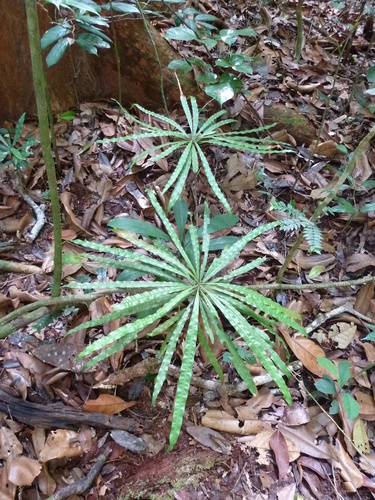
Representing the sole genus of the family. Ancistrocladus species are woody climbers found across disjunct regions of the Old World tropics. They are characterized by their unique method of climbing using hardened hooks and their wind-dispersed fruits featuring prominent wings derived from the calyx.

Ancistrocladus (Hooks)
Climbing Hooks
A defining feature of the genus is the presence of specialized woody hooks. These are modified structures (short branches, tendrils, or inflorescence axes) that are coiled when young and harden into effective grappling devices, allowing the liana to secure itself to host trees and climb through the forest canopy.

Ancistrocladus (Fruit)
Winged Fruit
The fruit is highly characteristic. A small, single-seeded nutlet sits at the center, surrounded by five greatly enlarged, persistent, papery sepals (calyx lobes) that act as wings. This structure facilitates dispersal by wind, allowing the fruit to spin and travel away from the parent plant.

Ancistrocladus korupensis
(Korup Ancistrocladus)
A species native to Southwest Cameroon and adjacent Nigeria. This species gained attention as the source of Michellamine B, a naphthylisoquinoline alkaloid investigated for its potential anti-HIV activity. It exemplifies the unique chemistry found within the family.
Phylogeny and Classification
Ancistrocladaceae belongs to the large and diverse order Caryophyllales, within the core eudicots. However, its position within the order is somewhat isolated and has been subject to debate. It is not part of the core Caryophyllales clade characterized by betalains (like Amaranthaceae, Cactaceae, Aizoaceae) nor closely related to the Polygonaceae lineage.
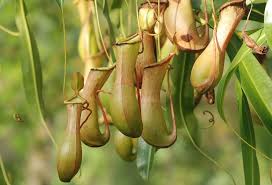
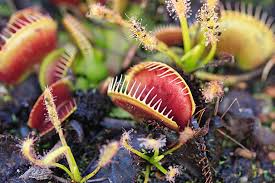
Molecular phylogenetic studies consistently place Ancistrocladaceae within a distinct clade often associated with carnivorous families of the Caryophyllales. Its closest relatives appear to be Dioncophyllaceae (another Old World tropical family of lianas/shrubs with hooks and unique alkaloids) and the carnivorous families Nepenthaceae (Old World pitcher plants), Droseraceae (sundews), and Drosophyllaceae (dewy pine). This grouping suggests an evolutionary link between these morphologically diverse families, perhaps sharing ancestry related to specialized chemical production or habitat adaptations.
Position in Plant Phylogeny
- Kingdom: Plantae
- Clade: Angiosperms (Flowering plants)
- Clade: Eudicots
- Clade: Core Eudicots
- Order: Caryophyllales
- Family: Ancistrocladaceae
Evolutionary Significance
Ancistrocladaceae holds significant evolutionary interest:
- Unique Alkaloid Chemistry: The production of complex naphthylisoquinoline alkaloids represents a distinct biochemical pathway with potential pharmacological applications and evolutionary implications for plant defense.
- Specialized Morphology: The evolution of grappling hooks for climbing and the elaborate winged fruit derived from an accrescent calyx are remarkable morphological adaptations.
- Phylogenetic Position: Its placement near carnivorous families within Caryophyllales suggests deep evolutionary connections possibly related to glandular structures, nutrient acquisition strategies, or shared ancestry predating the evolution of full carnivory in related lineages.
- Disjunct Distribution: The Africa-Asia disjunction points to ancient origins, possibly Gondwanan, followed by extinction in intervening areas or long-distance dispersal events shaping its current range.
- Ruminate Endosperm: The presence of ruminate endosperm is relatively uncommon and represents an interesting developmental feature.