Seligeriaceae
Seligeria Moss / Rock-bristle Moss Family
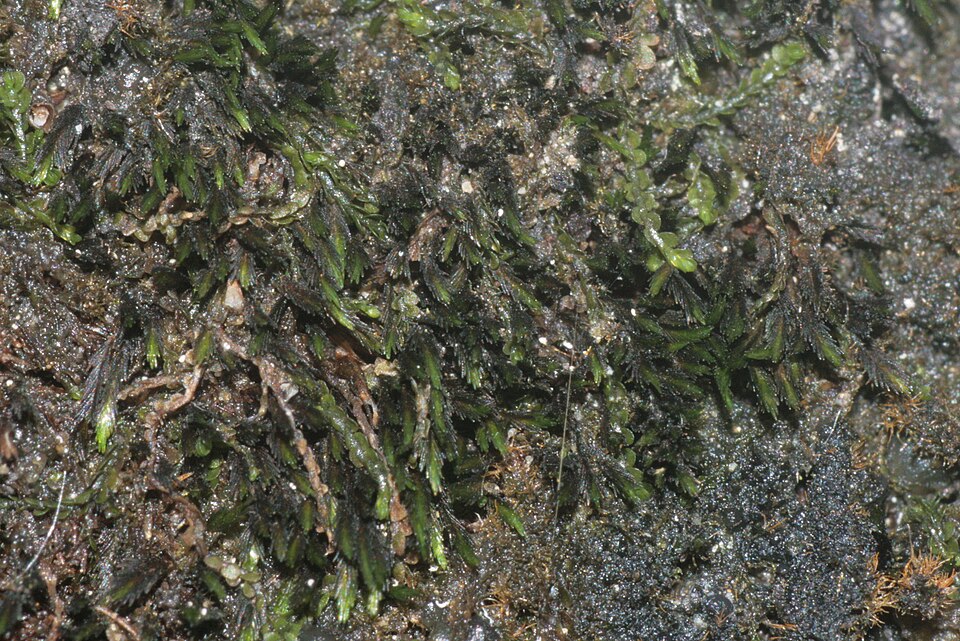
Seligeriaceae is a family comprising some of the world's smallest acrocarpous mosses. These minute plants typically grow scattered or form tiny tufts almost exclusively on rock surfaces (epilithic), often preferring shaded, damp, calcareous rock crevices or faces. They are characterized by their diminutive size, narrow bristle-like leaves, and erect capsules often with a wide mouth when empty.
Overview
The Seligeriaceae family belongs to the order Grimmiales. It is a small family containing 3-5 genera (primarily Seligeria, Blindia, and Brachydontium) and about 20-30 species worldwide. These mosses are most diverse in temperate and arctic-alpine regions of the Northern Hemisphere but also occur in the Southern Hemisphere.
Their extremely small size (often only a few millimeters tall) and specific rock habitat make them easily overlooked. Key features include the acrocarpous habit, very narrow (subulate to setaceous) leaves with a strong costa filling the upper part, and typically erect, symmetrical capsules borne on straight setae. The peristome is usually single, consisting of 16 undivided teeth, or sometimes absent.
Ecologically, Seligeriaceae are specialized colonists of rock surfaces, particularly limestone and other calcareous rocks in shaded, moist microhabitats like crevices, underhangs, and cave entrances. Their small size allows them to occupy tiny niches unavailable to larger plants.
Quick Facts
- Scientific Name: Seligeriaceae
- Common Name: Seligeria Moss / Rock-bristle Moss Family
- Number of Genera: Approximately 3-5
- Number of Species: Approximately 20-30
- Distribution: Widespread, especially Northern Hemisphere temperate and arctic-alpine regions.
- Evolutionary Group: Bryophytes - Mosses - Grimmiales
Key Characteristics (Moss Morphology)
Gametophyte: Growth Form and Habit
Plants are acrocarpous and minute (among the smallest mosses, often 1-5 mm tall), growing gregariously (scattered) or forming tiny, dense tufts or cushions, typically dark green to blackish.
Gametophyte: Stems
Stems are very short, erect, typically simple or sparsely branched. A central strand may be present or absent.
Gametophyte: Leaves
Leaves are typically crowded, erect to erect-spreading, often straight or slightly curved. They are characteristically narrow, lanceolate-subulate to setaceous (awl-shaped or bristle-like) from a broader, often ovate or oblong base. The costa is single and strong, usually filling most of the narrow upper part (subula) of the leaf and ending at the apex (percurrent) or extending beyond (excurrent). Leaf cells are typically smooth, firm-walled, and mostly quadrate to short-rectangular in the upper part, sometimes longer rectangular in the base.
Sporophyte: Seta, Capsule, and Peristome
Sexual condition is typically autoicous or paroicous. The seta is usually straight, relatively stout for the plant size, short to moderately long, typically smooth. The capsule is exserted, typically erect and symmetrical, small, ovoid, subglobose, or shortly pyriform, often becoming wide-mouthed and sometimes cupulate (cup-shaped) when empty and dry. The operculum is typically conical to obliquely rostrate. The peristome is typically single (haplolepidous type, though belonging to the diplolepidous Grimmiales order suggests reduction), consisting of 16 undivided, lanceolate teeth that are often smooth or weakly papillose, sometimes rudimentary or entirely absent (gymnostomous). An endostome is absent.
Field Identification (Mosses)
Identifying Seligeriaceae requires searching in the right habitat and recognizing their minute size and specific features:
Primary Identification Features (Field/Hand Lens)
- Minute Size: Extremely small plants, often forming tiny dark tufts or appearing as scattered green/blackish points.
- Habitat: Almost exclusively on rock (epilithic), frequently calcareous rock, in shaded, damp places (crevices, overhangs, cave mouths).
- Narrow, Bristle-like Leaves: Leaves very narrow (subulate/setaceous) with a strong costa filling the upper part.
- Acrocarpous Habit: Terminal sporophytes (when present).
- Erect, Wide-mouthed Capsules: Small, erect capsules on straight setae, often appearing wide-mouthed when old and dry.
Secondary Identification Features (Microscope often needed)
- Cell Shape: Confirm quadrate to short-rectangular upper leaf cells.
- Costa Structure: Examine costa filling the subula.
- Peristome Structure: Single peristome of 16 undivided teeth (or absent). Requires mature, open capsules and high magnification.
Common Confusion Points (Other Mosses)
- Ditrichaceae (Ditrichum, Distichium): Some small species grow on soil or rock and have subulate leaves, but usually have different peristomes (often split teeth) and cell shapes. Distichium has distichous leaves.
- Grimmiaceae (Grimmia, Schistidium): Also common on rock, acrocarpous, but generally larger, often possess hair points (awns) on leaves, have different cell structures (often sinuose walls), and different peristomes (often cribrose teeth) or immersed capsules (Schistidium).
- Pottiaceae (small species, e.g., Gymnostomum, Weissia): Some small Pottiaceae grow on rock/soil, but often have broader leaves, different costa structures, papillose cells, and different peristomes (often absent, rudimentary, or thread-like).
- Pseudoditrichaceae (Pseudoditrichum): Similar narrow leaves and habitat (soil), but peristome teeth are different (papillose, less robust), and cell shapes differ.
- Encalyptaceae (Encalypta): Grow on rock/soil, often calcareous, but have much broader, often lingulate leaves and very large, extinguisher-shaped calyptrae covering the entire capsule.
Field Guide Quick Reference (Mosses)
Look For:
- Minute acrocarpous tufts/plants
- Habitat on rock (often calcareous, shaded, damp)
- Narrow, bristle-like leaves
- Strong costa filling upper leaf
- Erect capsules on straight setae
- Wide-mouthed capsules (when old)
Key Variations:
- Plant size (all tiny)
- Seta length (short vs. moderate)
- Capsule shape (ovoid vs. subglobose)
- Peristome presence/absence
Notable Genera
The main genera in the Seligeriaceae family are:

Seligeria
(Genus)
The largest genus, containing the smallest species in the family (and some of the smallest mosses overall). Characterized by minute size, setaceous leaves, erect capsules often with a wide mouth, and typically a single peristome of 16 teeth. Mostly found on calcareous rock.

Blindia
(Genus)
Generally larger than Seligeria, forming denser, often glossy, dark green or reddish-brown tufts. Leaves lanceolate-subulate, often somewhat curved. Capsules ovoid to subglobose. Found on acidic or weakly calcareous rock, often in wet sites or near streams.

Brachydontium
(Genus)
Minute mosses similar to Seligeria, but often distinguished by having peristome teeth that are shorter, broader, or sometimes rudimentary/absent. Found on acidic rock, often sandstone.
Phylogeny and Classification
Seligeriaceae is classified within the order Grimmiales, class Bryopsida. This order primarily includes acrocarpous mosses adapted to rock substrates. Seligeriaceae represents a lineage within Grimmiales characterized by extreme miniaturization and specialization for shaded, often calcareous rock habitats.
Molecular studies confirm its placement within Grimmiales, often grouping sister to or near the family Grimmiaceae. The single peristome (haplolepidous-like) within a diplolepidous order (Grimmiales typically have diplolepidous-reduced peristomes) suggests significant reduction or modification from the ancestral condition. The family showcases evolutionary trends towards simplification and adaptation to micro-niches on rock surfaces.
Position in Plant Phylogeny
- Kingdom: Plantae
- Division: Bryophyta (Mosses)
- Class: Bryopsida
- Order: Grimmiales
- Family: Seligeriaceae
Evolutionary Significance
The Seligeriaceae family is significant for:
- Miniaturization: Represents an extreme example of size reduction in mosses, allowing colonization of tiny rock crevices.
- Epilithic Specialization: Shows strong adaptation to growing directly on rock surfaces, often with specific chemical preferences (e.g., calcareous).
- Peristome Reduction/Modification: Illustrates evolutionary pathways leading to simplified or lost peristome structures within a diplolepidous lineage.
- Niche Partitioning: Occupies specific microhabitats often unsuitable for larger bryophytes.


