Monimiaceae
Monimia Family / Boldo Family
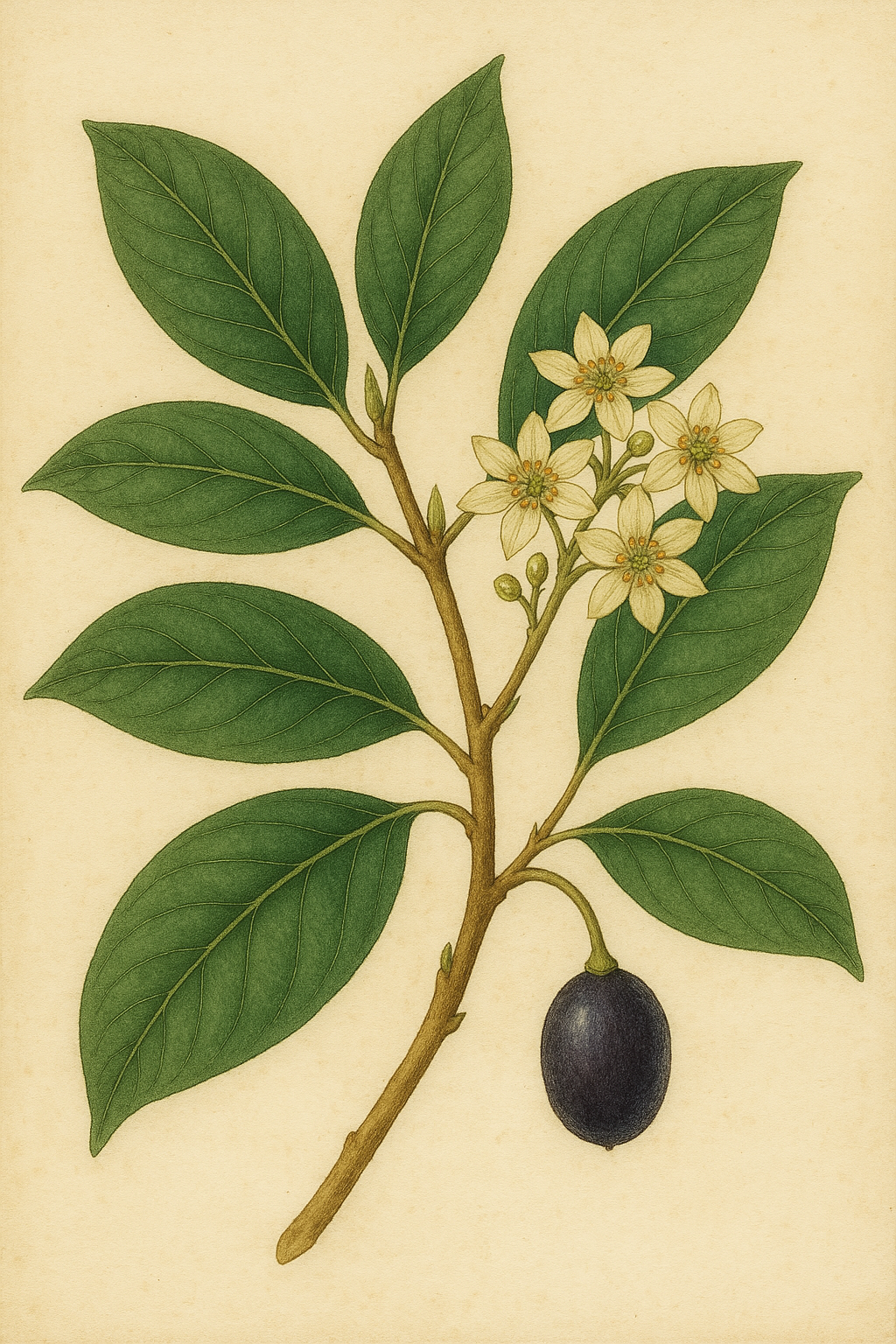
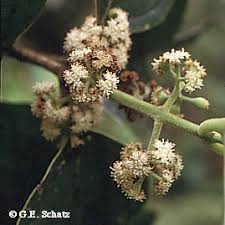
Monimiaceae is a family of flowering plants primarily consisting of evergreen trees and shrubs, sometimes lianas, belonging to the order Laurales, a basal angiosperm lineage within the Magnoliids. Distributed mainly in the Southern Hemisphere (Australasia, Malesia, Madagascar, Neotropics), often in rainforests, the family is known for its aromatic tissues, often opposite leaves, flowers with variable parts, separate carpels (apocarpy), and aggregate fruits.
Overview
The Monimiaceae family comprises approximately 25-30 genera and 200-280 species of woody plants. They represent an ancient lineage of flowering plants, part of the Laurales order which diverged early in angiosperm evolution. The family's circumscription (sensu stricto) excludes the closely related Atherospermataceae and Siparunaceae, which are sometimes included in broader treatments.
Members of Monimiaceae are typically found in tropical and subtropical rainforests, cloud forests, and laurel forests, predominantly in the Southern Hemisphere but extending into the Neotropics. They are characterized by the presence of ethereal oils, giving many species aromatic leaves and bark when crushed.
Economically, the family is of minor importance globally, though some species have local uses. Peumus boldus from Chile is cultivated for its leaves, used medicinally and as a culinary spice (Boldo). Several species provide timber locally, and some are cultivated as ornamentals.
Quick Facts
- Scientific Name: Monimiaceae Juss.
- Common Name: Monimia family, Boldo family
- Number of Genera: Approximately 25-30
- Number of Species: Approximately 200-280
- Distribution: Primarily Southern Hemisphere (Australasia, Malesia, Madagascar, Pacific Islands) and Neotropics.
- Evolutionary Group: Magnoliids - Laurales
Key Characteristics
Growth Form and Habit
Evergreen trees or shrubs, less commonly deciduous shrubs or lianas. Often possess aromatic oils in tissues.
Leaves
Leaves are typically opposite (sometimes alternate or whorled), simple, entire or toothed, often leathery (coriaceous). They usually lack stipules (exstipulate) and are frequently gland-dotted. Aromatic when crushed.
Inflorescence
Flowers are borne in cymose inflorescences, which can be axillary or terminal, sometimes reduced to solitary flowers.
Flowers
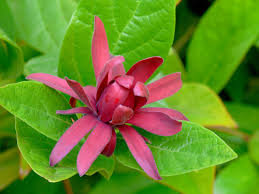
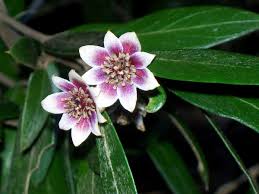
Flowers are actinomorphic (radially symmetrical), often unisexual (plants monoecious or dioecious), sometimes bisexual. They are highly variable in size and structure, often with a well-developed cup-shaped receptacle (hypanthium). Key features include:
- Perianth: Consists of tepals (undifferentiated perianth segments), typically 4 to numerous, often small, arranged spirally or in whorls, sometimes petaloid or sepaloid.
- Androecium: Stamens few to numerous, filaments sometimes short and broad, occasionally with basal nectar glands. Anthers typically dehisce by longitudinal slits or valves.
- Gynoecium: Ovary is superior, composed of few to numerous (rarely one) separate carpels (apocarpous), each typically containing a single ovule. Carpels are situated within the cup-shaped receptacle.
Fruits and Seeds
The fruit is an aggregate of drupes or achenes (each developed from a single carpel). These individual fruits (fruitlets) are often enclosed within or seated upon the fleshy, sometimes brightly colored, receptacle, which may open or split at maturity. Seeds contain oily endosperm.
Chemical Characteristics
Characterized by the presence of ethereal (essential) oils, often containing alkaloids (especially isoquinoline alkaloids), lignans, and neolignans. These contribute to the aromatic properties and potential medicinal uses of some species.
Field Identification
Identifying Monimiaceae involves recognizing their woody habit, often opposite and aromatic leaves, characteristic flowers with variable parts and separate carpels, and aggregate fruits often associated with a fleshy receptacle.
Primary Identification Features
- Habit: Evergreen trees or shrubs (sometimes lianas).
- Leaves: Usually opposite, simple, exstipulate, often leathery and gland-dotted, aromatic when crushed.
- Flowers: Often unisexual, actinomorphic, with variable tepals, often cup-shaped receptacle.
- Gynoecium: Apocarpous - composed of multiple separate carpels (crucial feature).
- Fruit: Aggregate of drupes or achenes, often seated on or enclosed by a fleshy receptacle.
- Distribution: Primarily Southern Hemisphere + Neotropical rainforests.
Secondary Identification Features
- Aromatic Tissues: Crushed leaves or bark often release a distinct scent.
- Stamens: Filaments sometimes broad or with basal glands.
- Receptacle: Often cup-shaped (hypanthium) in flower, becoming fleshy in fruit.
Seasonal Identification Tips
- Year-round: Woody habit and opposite, aromatic, often leathery leaves are useful year-round.
- Flowering/Fruiting Season: Flowers (especially the apocarpous gynoecium) and the unique aggregate fruits are key diagnostic features. Seasonality varies greatly by species and location.
Common Confusion Points
- Lauraceae (Laurel Family): Also aromatic trees/shrubs in Laurales, but typically have alternate leaves, flowers with parts usually in threes, a single carpel (syncarpous, unilocular ovary), and fruit a single drupe or berry often subtended by a cupule.
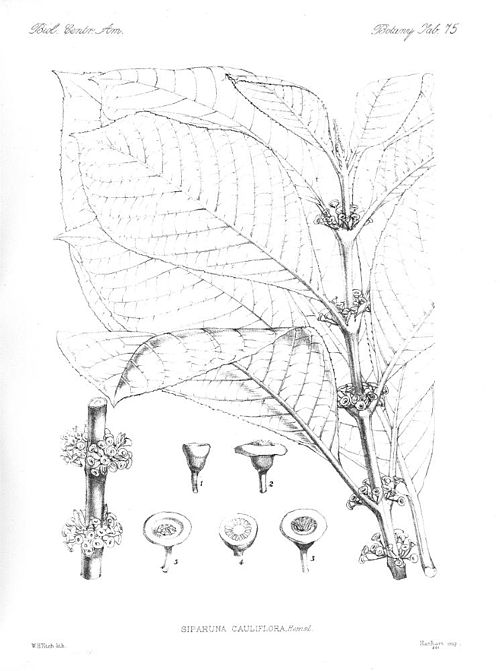
- Atherospermataceae / Siparunaceae: Closely related families sometimes included within Monimiaceae. Atherospermataceae often have valvate anther dehiscence. Siparunaceae have distinctive floral structures and often stellate hairs.
- Rubiaceae (Coffee Family): Can have opposite leaves, but possess interpetiolar stipules and syncarpous, inferior ovaries. Not typically aromatic in the same way.
- Myrtaceae (Myrtle Family): Often have opposite, gland-dotted leaves, but flowers usually have numerous conspicuous stamens, distinct petals/sepals, and syncarpous, inferior ovaries.
Field Guide Quick Reference
Look For:
- Woody trees, shrubs, lianas
- Leaves usually opposite, simple, aromatic
- Exstipulate
- Flowers often unisexual
- Variable tepals, cup-shaped receptacle
- Separate carpels (apocarpous)
- Aggregate fruit (drupes/achenes)
- Southern Hemisphere / Neotropical
Key Variations:
- Leaf margin (entire or toothed)
- Flower size and tepal number
- Stamen number and filament shape
- Fruit structure (enclosed/exposed fruitlets)
Notable Examples
Key genera in the Monimiaceae family include:

Hedycarya arborea
Pigeonwood (Porokaiwhiri)
A common tree native to New Zealand. It has opposite, glossy, toothed leaves and dioecious flowers. Female plants produce striking clusters of orange-red drupes seated on the receptacle.

Peumus boldus
Boldo
Native to central Chile. This dioecious shrub or small tree has leathery, aromatic leaves used for medicinal purposes (liver ailments, digestion) and as a spice. The aggregate fruit consists of small drupes.

Tambourissa spp.
(Tambourissa)
A large genus found primarily in Madagascar and the Mascarene Islands. These are trees and shrubs characterized by flowers where the receptacle often completely encloses the carpels, opening later to release the fruitlets.

Wilkiea spp.
(Wilkiea)
A genus of shrubs and small trees found in eastern Australia and New Guinea. They have opposite leaves and often bear their aggregate fruits on conspicuous receptacles.
Phylogeny and Classification
Monimiaceae is a member of the order Laurales, which is part of the Magnoliids clade. Magnoliids represent one of the major lineages of flowering plants that diverged before the split between monocots and eudicots, making them a relatively ancient group.
Within Laurales, Monimiaceae (sensu stricto) is closely related to families like Atherospermataceae, Gomortegaceae, Hernandiaceae, Lauraceae, and Siparunaceae. The exact relationships among these families are complex and have been refined by molecular studies. Monimiaceae itself is further divided into subfamilies and tribes reflecting internal diversification.
Position in Plant Phylogeny
- Kingdom: Plantae
- Clade: Angiosperms (Flowering plants)
- Clade: Magnoliids
- Order: Laurales
- Family: Monimiaceae
Evolutionary Significance
Monimiaceae is important for understanding early angiosperm evolution:
- Basal Angiosperm Lineage: As part of Laurales/Magnoliids, it provides insights into ancestral traits and early diversification patterns of flowering plants.
- Apocarpy: The retention of separate carpels (apocarpy) is considered an ancestral trait among angiosperms, contrasting with the fused carpels (syncarpy) found in most eudicots.
- Floral Diversity: Shows considerable variation in floral structure (part number, sexuality), illustrating evolutionary experimentation within an ancient lineage.
- Biogeography: Its predominantly Southern Hemisphere distribution reflects Gondwanan origins and subsequent diversification and dispersal patterns.
- Chemical Evolution: The production of diverse aromatic compounds and alkaloids is characteristic of Laurales and offers insights into the evolution of plant chemical defenses and interactions.