Eupomatiaceae
Eupomatia Family / Bolwarra Family
The Eupomatiaceae is a small, ancient family of flowering plants belonging to the order Magnoliales, a basal angiosperm lineage. It contains only the single genus Eupomatia, with three species of shrubs or small trees native to eastern Australia and New Guinea. The family is renowned for its unique floral structure, lacking a typical perianth (sepals and petals) and instead having flower buds covered by a cap-like calyptra.
Overview
The Eupomatiaceae family comprises just three species in the genus Eupomatia: E. laurina, E. bennettii, and E. barbata. These plants are shrubs or small trees found in rainforests and wet sclerophyll forests in eastern Australia and New Guinea. They represent an early branch in the evolutionary tree of flowering plants, belonging to the Magnoliids.
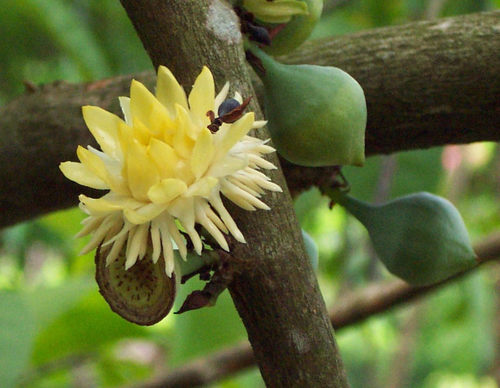
The most striking feature of the family is the flower structure. The flower bud is protected by a conical cap called a calyptra, derived from a floral bract, which detaches and falls off as the flower opens (anthesis). The opened flower lacks sepals and petals but possesses numerous spirally arranged stamens and inner, petal-like staminodes (sterile stamens) that attract pollinators. The carpels are numerous and sunken into the fleshy receptacle.
Pollination is specialized, carried out primarily by weevils of the genus Elleschodes, which feed on the staminodes and lay eggs within the flower. The fruit is a fleshy, aggregate structure formed from the receptacle and the embedded carpels, resembling a berry. Eupomatia laurina (Bolwarra or Native Guava) has edible fruits with a strong, aromatic flavour.
Quick Facts
- Scientific Name: Eupomatiaceae Endl.
- Common Name: Eupomatia Family, Bolwarra Family
- Number of Genera: 1 (Eupomatia)
- Number of Species: 3
- Distribution: Eastern Australia and New Guinea.
- Evolutionary Group: Basal Angiosperms - Magnoliids - Magnoliales
- Key Feature: Basal angiosperms; flowers lack perianth, bud covered by calyptra; numerous stamens and petaloid staminodes; carpels sunken in receptacle; fruit an aggregate berry-like structure.
Key Characteristics
Growth Form and Habit
Members of Eupomatiaceae are evergreen shrubs or small trees, often with rhizomes.
Leaves
Leaves are simple, arranged alternately and distichously (in two ranks along the stem). They have entire (untoothed) margins, pinnate venation, and lack stipules (exstipulate). Leaves often have aromatic oil cells.
Flowers
Flowers are solitary or in small clusters, terminal or axillary, bisexual, actinomorphic (radially symmetrical), large, fragrant, and possess a unique structure:
- Calyptra: Flower buds are enclosed by a prominent, conical cap (the calyptra), derived from a modified bract. This structure covers the reproductive parts and falls off entirely as the flower opens.
- Perianth: True sepals and petals are absent.
- Androecium: Stamens are numerous (20-100+), spirally arranged on the fleshy receptacle. Filaments are short and broad; anthers dehisce via longitudinal slits.
- Staminodes: Inner whorls of stamens are modified into sterile, petal-like structures (petaloid staminodes), typically white or cream-colored, which are fleshy and attract pollinators. These surround the fertile stamens.
- Gynoecium: Carpels are numerous (13-70), spirally arranged, and uniquely sunken into the expanded, fleshy receptacle. Each carpel contains 2-11 ovules. The styles are short or absent, and the stigmas are fused together to form a flattened, discoid structure at the apex of the receptacle.
Fruits and Seeds
The fruit is a fleshy, aggregate structure formed by the enlargement of the receptacle containing the embedded carpels, resembling a berry or a fig-like structure (sometimes called a syncarp). It is often aromatic when ripe. Seeds are small and contain oily endosperm.
Pollination
Pollination is highly specialized and primarily carried out by weevils (genus Elleschodes), which are attracted to the scent and feed on the petaloid staminodes.
Field Identification
Identifying Eupomatia species involves recognizing their vegetative features and highly distinctive flowers and fruits:
Primary Identification Features
- Habit: Shrubs or small trees in rainforest/wet forest habitats (E Australia, New Guinea).
- Leaves: Alternate, simple, entire leaves arranged in two ranks (distichous), lacking stipules.
- Flower Buds: Covered by a distinctive conical cap (calyptra).
- Open Flowers: Lack sepals and petals; possess numerous spirally arranged stamens and inner, fleshy, petal-like staminodes. Flattened stigmatic disc visible in the center.
- Fruit: Fleshy, berry-like aggregate fruit formed from the receptacle with sunken carpels.
Secondary Identification Features
- Fragrance: Flowers are typically strongly fragrant.
- Leaf Texture: Leaves often somewhat glossy or leathery.
- Habitat: Understory or small trees in rainforests or similar wet forest types.
Seasonal Identification Tips
- Flowering Season: Varies by species and location, often spring or summer. Look for the characteristic calyptra on buds or the open flowers with staminodes.
- Fruiting Season: Fleshy fruits develop later and can persist for some time.
- Year-round: The combination of alternate, distichous, simple, entire, exstipulate leaves is a key vegetative clue within their range.
Common Confusion Points
The unique flower structure makes Eupomatiaceae highly distinctive when in bloom or bud:
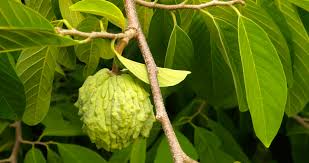
- Annonaceae (Custard Apple family): Also in Magnoliales, often have alternate, distichous leaves, but possess a distinct perianth (typically 3 sepals and 6 petals in two whorls), different stamen structure, and separate carpels usually forming aggregate fruits of distinct units (monocarps) or syncarps, not sunken into the receptacle.
- Lauraceae (Laurel family): Trees/shrubs often with alternate, simple, entire leaves, but flowers are small, typically 6 tepals, few stamens often with valvate anthers, and fruit is usually a drupe with a single seed.
- Other rainforest shrubs/trees: Vegetatively, compare leaf arrangement (distichous), margins (entire), and lack of stipules. The presence of the calyptra or the unique flower/fruit structure is definitive.
Field Guide Quick Reference
Look For:
- Shrubs/small trees (E Aus/NG)
- Alternate, 2-ranked, simple, entire leaves
- No stipules
- Flower bud with conical cap (calyptra)
- Open flower lacks sepals/petals
- Numerous stamens + petal-like staminodes
- Carpels sunken in receptacle
- Fleshy aggregate fruit
Key Distinctions:
- Calyptra covering bud (unique)
- Absence of true perianth
- Petaloid staminodes
- Sunken carpels in fleshy receptacle
- Basal angiosperm features
Notable Examples
The family contains only three species in the genus Eupomatia:

Eupomatia laurina
Bolwarra / Native Guava / Copper Laurel
The most widespread species, found in rainforests of eastern Australia and New Guinea. A shrub or small tree with glossy leaves and fragrant flowers. The fleshy aggregate fruits are edible, with a pungent, guava-like flavour.

Eupomatia bennettii
Small Bolwarra
A smaller shrub found in coastal rainforests of New South Wales and Queensland, Australia. Similar to E. laurina but generally smaller in stature with slightly smaller flowers and fruits.
The third species, Eupomatia barbata, is recently described and less commonly encountered.
Phylogeny and Classification
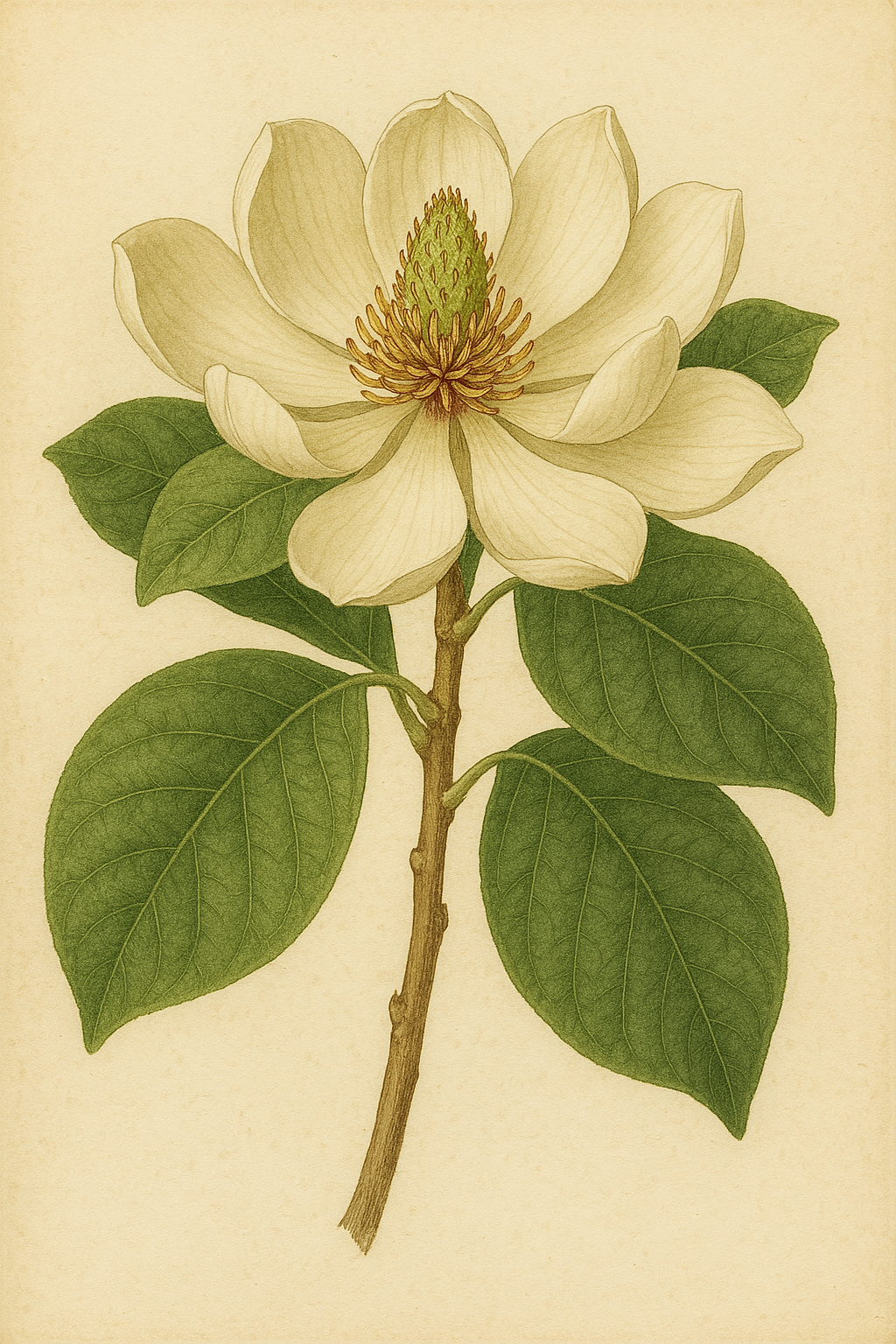
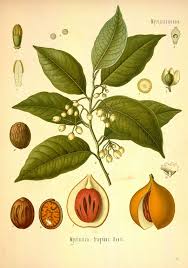
Eupomatiaceae is classified in the order Magnoliales, which is one of the earliest diverging lineages of living angiosperms (flowering plants), belonging to the Magnoliid clade. This places it among ancient groups like magnolias, custard apples, and nutmegs, distinct from the more derived Eudicot and Monocot clades.
Within Magnoliales, molecular studies consistently show Eupomatiaceae as being most closely related to the family Annonaceae (Custard Apple family). Together, Eupomatiaceae and Annonaceae form a sister group to the rest of the Magnoliales order (which includes Magnoliaceae, Myristicaceae, Degeneriaceae, and Himantandraceae).
Position in Plant Phylogeny
- Kingdom: Plantae
- Clade: Angiosperms (Flowering plants)
- Clade: Magnoliids
- Order: Magnoliales
- Family: Eupomatiaceae
Evolutionary Significance
Eupomatiaceae is highly significant in understanding early angiosperm evolution:
- Basal Angiosperm Lineage: Represents an ancient branch near the base of the flowering plant tree, retaining some potentially primitive features while also showing unique specializations.
- Unique Floral Structure: The absence of a perianth and the presence of a calyptra, petaloid staminodes, and sunken carpels represent a unique evolutionary pathway in floral development.
- Specialized Pollination: The co-evolution with Elleschodes weevils provides a model system for studying specialized insect pollination in early angiosperms.
- Phylogenetic Link: Its sister relationship to the large Annonaceae family helps clarify relationships within the Magnoliales order.