Eupteleaceae
Euptelea Family
The Eupteleaceae is a small family of flowering plants belonging to the order Ranunculales, an early diverging lineage of eudicots. It contains only the single genus Euptelea, with two species of deciduous trees or large shrubs native to East Asia (China, Japan, possibly Himalayas). The family is characterized by its simple, alternate leaves and highly reduced flowers lacking a perianth (sepals and petals).
Overview
The Eupteleaceae family comprises just two species in the genus Euptelea: E. pleiosperma (found mainly in China) and E. polyandra (found mainly in Japan). These are deciduous trees or large shrubs typically found in temperate forests and mountain slopes in East Asia. They represent an ancient lineage within the eudicots, belonging to the order Ranunculales.
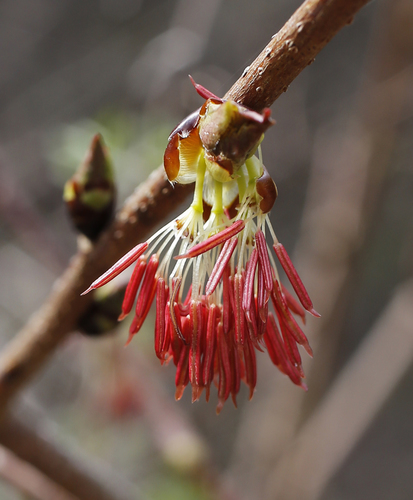
The most notable feature of the family is its highly simplified flower structure. The small flowers, which appear before the leaves in spring (precocious), completely lack sepals and petals (apetalous). They consist essentially of numerous stamens with conspicuous reddish filaments/anthers and several separate, stalked carpels. Pollination is achieved by wind.
The fruit is also distinctive, consisting of an aggregate of small, stalked, winged samaras. While not widely cultivated or economically important, Eupteleaceae is significant botanically for its phylogenetic position as a basal eudicot and its unusual floral morphology, providing insights into the early evolution of flowering plants.
Quick Facts
- Scientific Name: Eupteleaceae K.Wilh.
- Common Name: Euptelea Family
- Number of Genera: 1 (Euptelea)
- Number of Species: 2
- Distribution: East Asia (China, Japan, possibly Himalayas).
- Evolutionary Group: Basal Eudicots - Ranunculales
- Key Feature: Basal eudicots; deciduous trees/shrubs; apetalous flowers with numerous stamens and separate carpels; fruit an aggregate of samaras.
Key Characteristics
Growth Form and Habit
Members of Eupteleaceae are deciduous trees or large shrubs.
Leaves
Leaves are simple, arranged alternately and spirally along the stems. They have serrated (toothed) margins, pinnate venation, and often an acuminate tip. Stipules are absent (exstipulate).
Flowers
Flowers appear before the leaves (precocious) in early spring, borne in clusters (fascicles) on short shoots from the previous year's growth. They are small, wind-pollinated, lack fragrance, and have a highly reduced structure:
- Perianth: Sepals and petals are completely absent (apetalous).
- Androecium: Stamens are numerous (6 to 50 or more), spirally arranged. They have long, slender filaments (often reddish) and basifixed anthers that dehisce via longitudinal slits.
- Gynoecium: Carpels are separate (apocarpous), typically 6 to 18 per flower, arranged spirally. Each carpel is superior, located on a short stalk (stipitate), contains 1-4 ovules, and has a simple style/stigma running along its ventral side.
Flowers are sometimes described as bisexual but may be functionally unisexual in some cases.
Fruits and Seeds
The fruit is an aggregate of small, dry, indehiscent, winged fruits called samaras. Each samara develops from a single carpel and is stalked. The wing aids in wind dispersal. Each samara typically contains 1-4 seeds with oily endosperm.
Pollination
Pollination is anemophilous (by wind), consistent with the lack of perianth, absence of nectar, numerous exposed stamens, and flowering before leaf emergence.
Field Identification
Identifying Euptelea species relies on recognizing their vegetative features, unique flowers (when present), and fruits:
Primary Identification Features
- Habit: Deciduous trees or large shrubs in East Asian temperate forests.
- Leaves: Alternate, simple, serrated leaves, resembling elm or birch leaves, lacking stipules.
- Flowers (Early Spring): Small clusters of flowers appearing before leaves, lacking petals/sepals, consisting mainly of numerous stamens (often reddish) and separate carpels.
- Fruit: Clusters (aggregates) of small, stalked, winged samaras.
Secondary Identification Features
- Leaf Arrangement: Spiral arrangement along the stem.
- Bark: Smooth or slightly fissured, gray or brownish.
- Habitat: Montane or temperate forests.
Seasonal Identification Tips
- Early Spring: Look for the distinctive apetalous flowers with numerous stamens before the leaves emerge.
- Spring/Summer: Identify by the alternate, simple, serrated leaves.
- Late Summer/Fall: Look for the characteristic clusters of stalked, winged samaras.
- Winter: Identify by bark, buds, and persistent fruit clusters (if any remain).
Common Confusion Points
Euptelea can be confused with other deciduous trees with similar leaves:
- Elms (Ulmus, Ulmaceae): Have alternate, serrated leaves and winged samaras, but elm leaves usually have asymmetrical bases, and their flowers (though small and often apetalous) have a distinct calyx and different structure (syncarpous ovary). Elms lack the numerous, showy stamens of Euptelea flowers.
- Birches (Betula, Betulaceae): Have alternate, serrated leaves, but reproduce via catkins and produce tiny winged nutlets, not stalked samaras in clusters.
- Hornbeams (Carpinus, Betulaceae): Alternate, serrated leaves, but distinctive ribbed bark and fruits consisting of nutlets attached to leafy bracts.
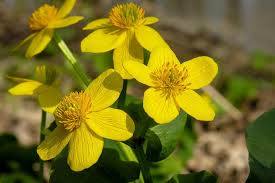
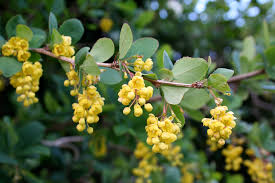
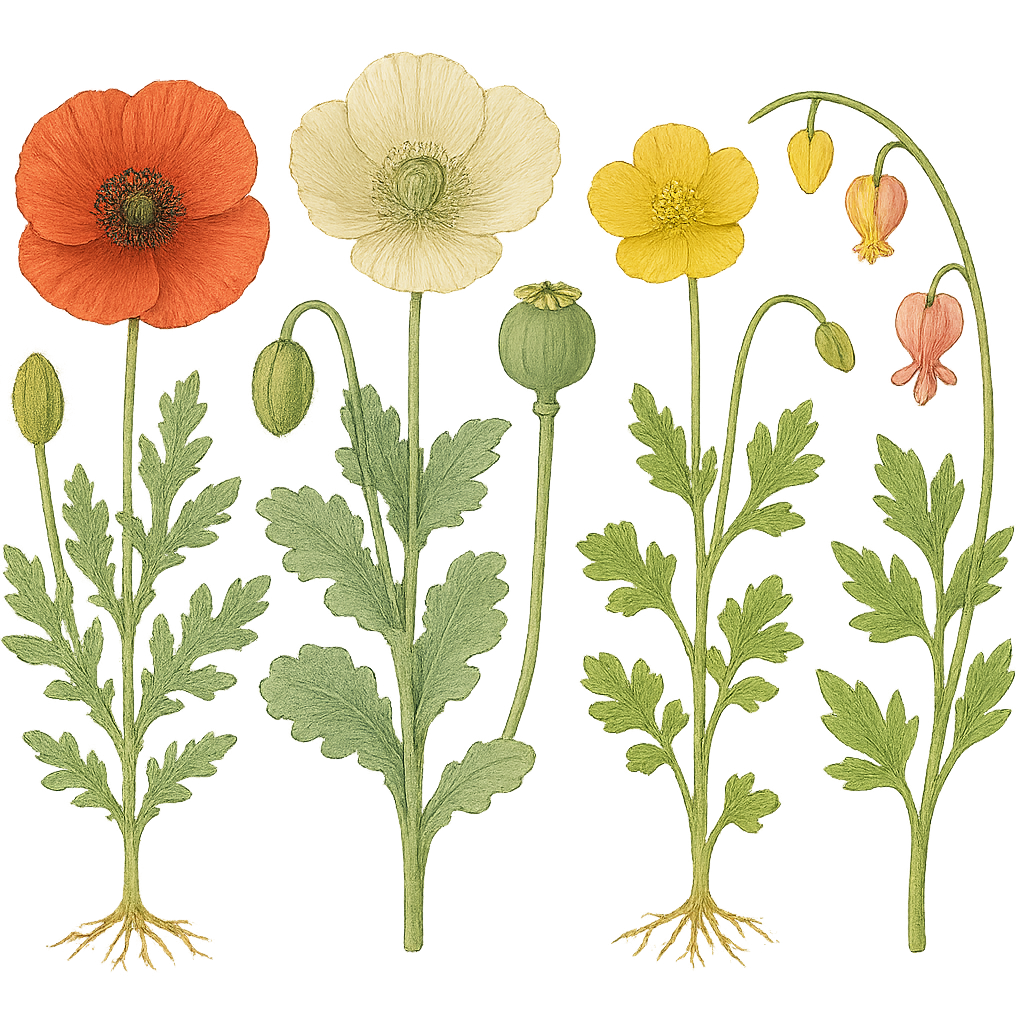
- Other Ranunculales: While related, most other Ranunculales families (like Ranunculaceae, Berberidaceae, Papaveraceae) typically have conspicuous petals and/or sepals and different fruit types (follicles, achenes, berries, capsules).
Field Guide Quick Reference
Look For:
- Deciduous tree/shrub (East Asia)
- Alternate, simple, serrated leaves
- No stipules
- Flowers apetalous (no petals/sepals)
- Numerous stamens (often reddish)
- Separate, stalked carpels
- Flowers appear before leaves
- Fruit an aggregate of stalked samaras
Key Distinctions:
- Apetalous flowers (vs. most related families)
- Numerous stamens + separate carpels
- Aggregate of stalked samaras (unique fruit)
- Symmetrical leaf base (vs. Elms)
- No catkins (vs. Betulaceae)
Notable Examples
The family contains only two closely related species in the genus Euptelea:

Euptelea pleiosperma
Chinese Euptelea
Found in central and southern China, possibly extending to the Himalayas. Differs from E. polyandra mainly in having multiple ovules (typically 2-4) per carpel, leading to potentially more seeds per samara.

Euptelea polyandra
Japanese Euptelea
Native to Japan. Very similar to E. pleiosperma but typically has only one ovule per carpel, resulting in a single seed per samara. Often cultivated as an ornamental for its graceful habit and early spring flowers.
Phylogeny and Classification
Eupteleaceae is classified in the order Ranunculales, which represents one of the earliest diverging lineages within the Eudicots. This placement is strongly supported by molecular phylogenetic data. The Ranunculales order is known for its morphological diversity and the presence of various alkaloids.
Within Ranunculales, Eupteleaceae occupies a basal position, forming a sister group to all other families in the order. This means it branched off very early in the evolutionary history of the Ranunculales, retaining some potentially ancestral eudicot features while also evolving its unique characteristics like the absence of a perianth and the aggregate samara fruit.
Position in Plant Phylogeny
- Kingdom: Plantae
- Clade: Angiosperms (Flowering plants)
- Clade: Eudicots
- Order: Ranunculales
- Family: Eupteleaceae
Evolutionary Significance
Eupteleaceae is highly significant for understanding early eudicot evolution:
- Basal Eudicot Lineage: Its position as sister to the rest of Ranunculales makes it crucial for reconstructing the characteristics of early eudicots and the Ranunculales ancestor.
- Floral Reduction: The complete loss of the perianth represents an extreme case of floral simplification, likely linked to the shift to wind pollination.
- Apocarpy: The retention of separate carpels (apocarpy) is considered an ancestral trait among angiosperms, shared with many other Ranunculales.
- Biogeography: Its restricted East Asian distribution, despite being an early lineage, raises questions about its evolutionary history, potential past wider distribution, and extinction events.